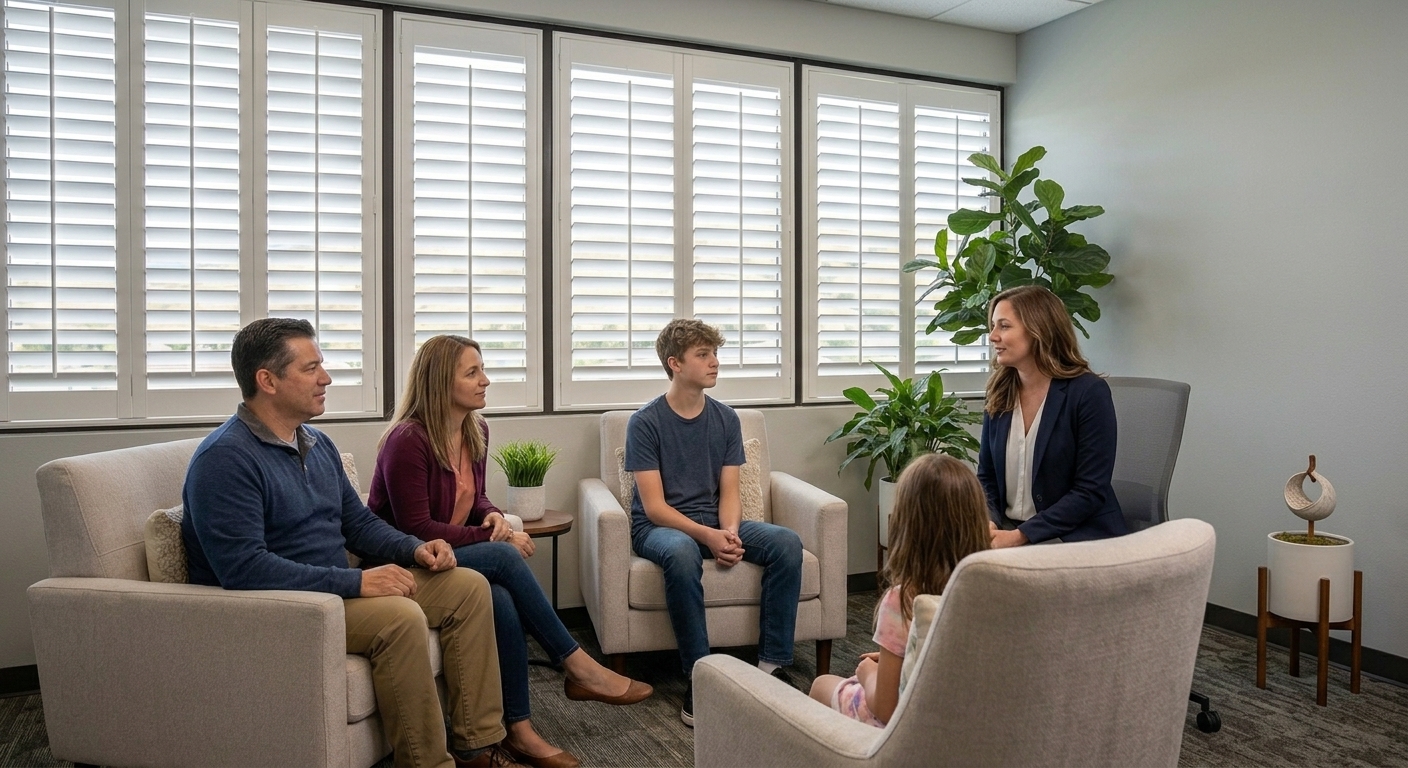


When Telehealth Makes Sense for Therapy in Sherman Oaks
Most people think therapy is about showing up to an office. Sitting on a couch. Talking face-to-face. But the reality is shifting — and if you're still stuck on the idea that real therapy only happens in person, you're missing what actually works for a lot of people. Telehealth isn't a compromise. It's a different tool. And in Sherman Oaks, where traffic is brutal and schedules are packed, it's often the smarter move.

So here's the deal. If you're serious about getting help, the format matters less than the consistency. Every session should fit your life. Every appointment needs to happen without adding stress. And every decision about how you access care should be grounded in what keeps you showing up — not just what looks traditional.
Traffic Alone Makes the Case
Sherman Oaks sits right in the middle of the Valley, which means you're dealing with the 101, the 405, and surface streets that turn into parking lots during rush hour. Driving to a therapist's office can eat up an hour or more round trip. That's time you're not working, not with your family, and definitely not relaxing. Telehealth cuts that out entirely.
You log in from your living room, your bedroom, or even your parked car if that's the only quiet spot you've got. No commute. No scrambling for parking. No sitting in traffic wondering if you'll make it on time. For people juggling jobs, kids, or just the chaos of daily life, that convenience isn't a luxury — it's what makes therapy possible in the first place.
When Getting Out the Door Feels Impossible
Some days, leaving the house is the hardest part. If you're dealing with anxiety, depression, or chronic pain, the idea of getting dressed, driving across town, and sitting in a waiting room can feel overwhelming. Telehealth removes that barrier. You can show up exactly as you are, in a space where you already feel safe.
We've seen this play out with clients who have mobility issues, autoimmune conditions, or just bad weeks where everything feels heavy. Virtual sessions keep the momentum going. They let you stay connected to your therapist without the added weight of logistics. And that consistency? That's what moves the needle.
Privacy on Your Terms
Not everyone wants to walk into a therapist's office in their own neighborhood. Sherman Oaks is tight-knit, and running into someone you know in a waiting room isn't always ideal. Telehealth gives you control over your environment and your privacy.
You pick the space. You decide who's around. You don't have to worry about bumping into a coworker or explaining why you're at a certain building. For people who value discretion — or who just feel more comfortable opening up from home — that level of control makes a real difference.
Scheduling That Actually Works
Traditional therapy hours don't always line up with real life. If you work a standard nine-to-five, finding an appointment during lunch or after work can be tough. Telehealth opens up more options. Therapists offering virtual sessions often have more flexible availability, including early mornings, evenings, and weekends.
Here's where that flexibility matters most:
- Parents can schedule sessions during nap time or after school drop-off
- Shift workers can book appointments that don't conflict with unpredictable hours
- Students can fit therapy between classes without losing half a day
- Professionals can take a session during a work-from-home lunch break
- Anyone dealing with a packed calendar can find a slot that doesn't require rearranging everything else
Access to the Right Fit
Finding a therapist who gets you isn't always easy. Maybe you need someone who specializes in trauma, LGBTQ+ issues, or a specific therapeutic approach like EMDR or DBT. If you're limiting yourself to therapists within a ten-mile radius, your options shrink fast.
Telehealth expands the pool. You can work with someone across Los Angeles County or even across California. That means you're more likely to find a therapist whose expertise, style, and personality actually match what you need. And when the fit is right, the work goes deeper.
Keeping Momentum When Life Gets Messy
Life doesn't pause for therapy. You get sick. You travel for work. Your car breaks down. Your kid has a school event. In-person sessions can fall apart when things get chaotic. Telehealth keeps you on track even when your routine doesn't.
We've worked with clients who've maintained their therapy schedule through illness, family emergencies, and cross-country moves. That continuity matters. Progress in therapy builds over time, and missing sessions — even for good reasons — can stall that momentum. Virtual sessions make it easier to stay consistent, which is what actually leads to change.
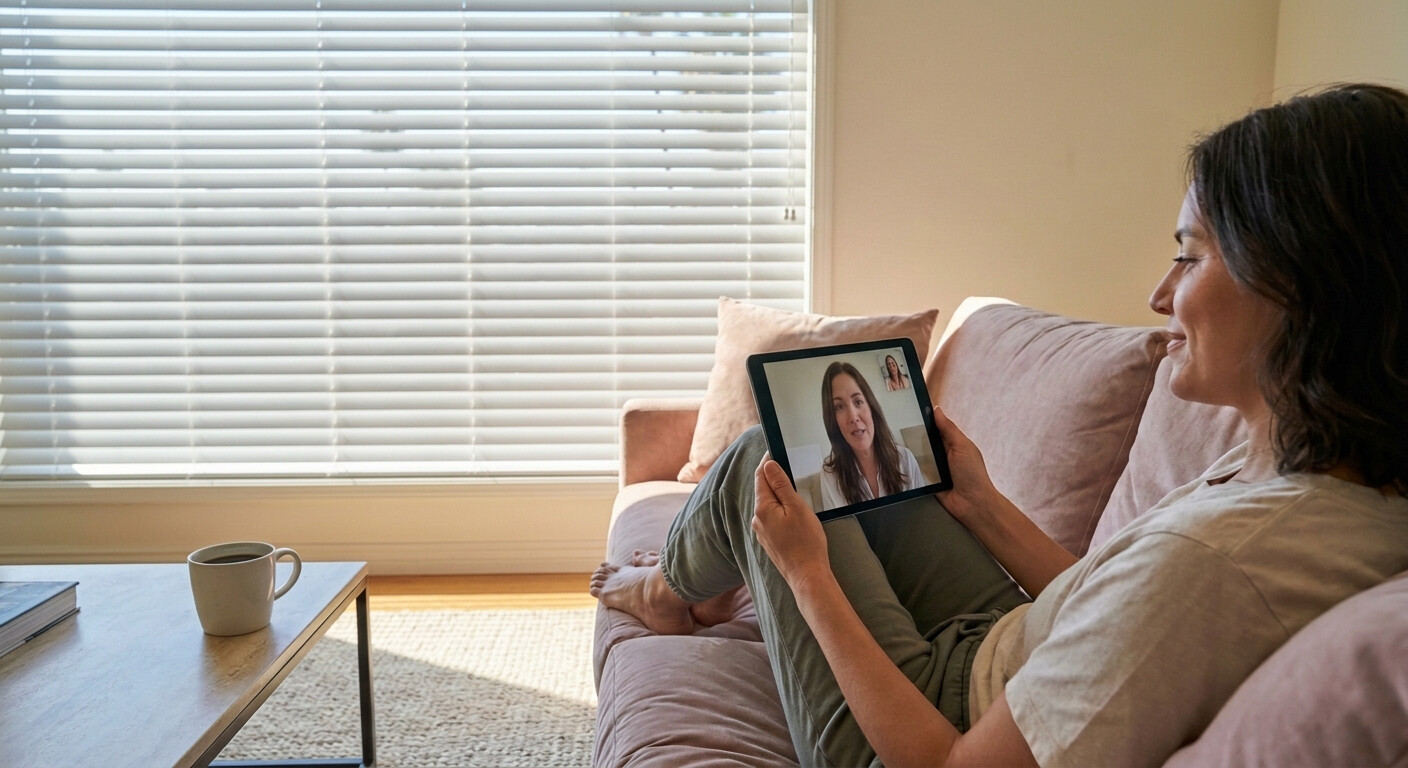
When Virtual Doesn't Cut It
Telehealth works for a lot of people, but it's not a fit for everyone. If you're in crisis — dealing with suicidal thoughts, severe psychosis, or immediate safety concerns — you need in-person care or emergency intervention. Virtual sessions can't replace that level of support.
There are also practical limits. If you don't have a private space, a stable internet connection, or a device that works reliably, telehealth becomes frustrating instead of helpful. And some therapeutic approaches — like certain body-based or experiential modalities — just work better face-to-face.
Here's what to consider before committing to telehealth:
- Do you have a quiet, private space where you won't be interrupted?
- Is your internet connection strong enough for video calls?
- Are you comfortable opening up on camera, or does it feel awkward?
- Does your therapist's approach translate well to a virtual format?
- Are you in a stable enough place mentally to engage without in-person support?
Setting Yourself Up for Success
If you're going to do telehealth, do it right. Don't just log in from your kitchen table with your roommate in the next room. Create a setup that actually supports the work. Find a space where you feel safe and won't be distracted. Test your tech ahead of time so you're not troubleshooting during your session.
We tell clients to treat virtual sessions with the same respect they'd give in-person appointments. Close the door. Silence your phone. Show up on time. The format is different, but the commitment should be the same. When you take it seriously, the results follow.
What We've Seen Work
Telehealth isn't theoretical for us. We've watched it help people who couldn't have accessed therapy otherwise. Parents who finally had time. Professionals who couldn't take two hours off work. People with chronic conditions who couldn't handle the physical toll of commuting. Virtual sessions gave them a way in.
The clients who get the most out of telehealth are the ones who commit to the process, not the location. They show up consistently. They do the work between sessions. They don't let the screen become an excuse to hold back. And they see real progress — not because telehealth is magic, but because it removes the friction that was keeping them from getting help in the first place.
Making the Call
Choosing telehealth for therapy in Sherman Oaks isn't about settling. It's about being strategic. If convenience, flexibility, and access matter to you — and if you're willing to create the right environment for virtual work — it's a solid option. But if you need in-person support, or if the format just doesn't feel right, that's valid too.
The goal isn't to force a format. It's to find what keeps you engaged, consistent, and moving forward. Therapy works works when you show up. Telehealth just makes showing up a whole lot easier for a whole lot of people. And in a place like Sherman Oaks, where time is tight and traffic is relentless, that edge can make all the difference.
Ready to Take the Next Step?
We know how important it is to find support that fits your life, not the other way around. If you're ready to see how therapy can work for you—on your terms—let's connect and talk about your options. Call us at 424-261-9444 or contact us today to get started.
‹ Back
Recent Posts
-
Is Now a Good Time for Anxiety Counseling in Sherman Oaks?
September 28, 2026
-
Can Child Therapy in Sherman Oaks Help With School Stress?
September 14, 2026
-

-
Can Counseling in Pasadena Help With Social Anxiety?
August 17, 2026
-