
Postpartum Emotional Support Available in Sherman Oaks
Most new mothers think postpartum is just about sleepless nights and diaper changes. Feeding schedules, baby gear, maybe some crying. But your emotional health during those first months? That's not optional — and if you're ignoring it, you're setting yourself up for a harder road than necessary. Sherman Oaks has resources that go beyond the basics, but only if you know where to look and what actually works.

Here's what matters. If you're navigating the postpartum period and feeling off — anxious, overwhelmed, disconnected — that's real. It's not weakness. And it's not something you power through alone. Every emotion deserves acknowledgment. Every struggle needs support. And every decision about your mental health should be grounded in what you're actually experiencing — not what you think you're supposed to feel.
When the Baby Blues Cross Into Something Deeper
Most of the time, mood swings after birth are temporary. You're exhausted, your hormones are crashing, and your entire world just shifted — that's normal adjustment. But when those feelings don't lift after a couple weeks? Different situation. Postpartum depression and anxiety aren't just extended baby blues, and they don't resolve on their own.
If sadness turns persistent or panic becomes your baseline, the brain isn't just tired — it's signaling that something needs attention. We've watched this play out across thousands of new mothers. Some assume it'll pass. It doesn't always. And when professional support gets delayed, recovery takes longer and the toll spreads to relationships, bonding, and daily function.
The Professional Support You Can Actually Access
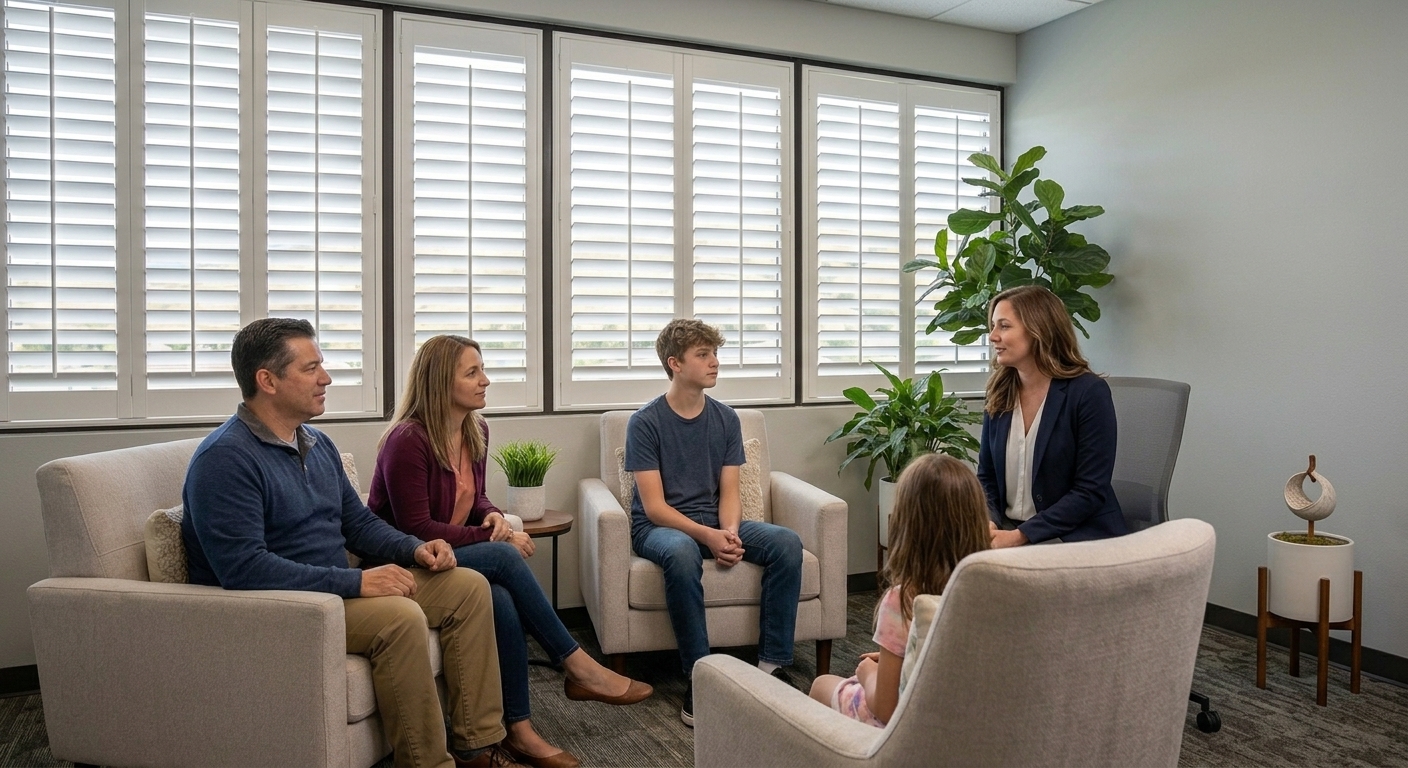
Sherman Oaks isn't short on mental health professionals who specialize in maternal care. Therapists here understand perinatal mood disorders, and many offer flexible scheduling that works around newborn chaos. You're not limited to one approach either — individual therapy, couples work, or group sessions all have their place depending on what you need.
Here's where that support shows up most:
- Postpartum Support International, LA Chapter: Trained volunteers and clinicians who get it. Support groups, crisis lines, and referrals that connect you to local specialists.
- Maternal Mental Health NOW: Workshops and peer groups focused on education and real-time coping strategies, not just talk.
- Licensed local therapists: Many offer telehealth or in-person sessions and specialize in postpartum anxiety, depression, and trauma.
- Hospital-based programs: Providence Cedars-Sinai Tarzana runs postpartum groups and parenting classes that address emotional adjustment alongside practical baby care.
Community Circles That Actually Feel Supportive
Professional therapy matters, but so does sitting in a room with other mothers who are living the same messy reality. Sherman Oaks has drop-in groups, parenting workshops, and family resource centers where the vibe is less clinical and more human. You're not a patient there — you're a parent figuring it out alongside others.
These gatherings help break the isolation that makes postpartum harder than it needs to be. When you're home alone with a newborn all day, it's easy to spiral. When you show up to a group therapy session and hear someone else describe exactly what you're feeling, the relief is immediate. Connection isn't a luxury during this phase — it's a lifeline.
Telehealth Brings the Session to Your Couch
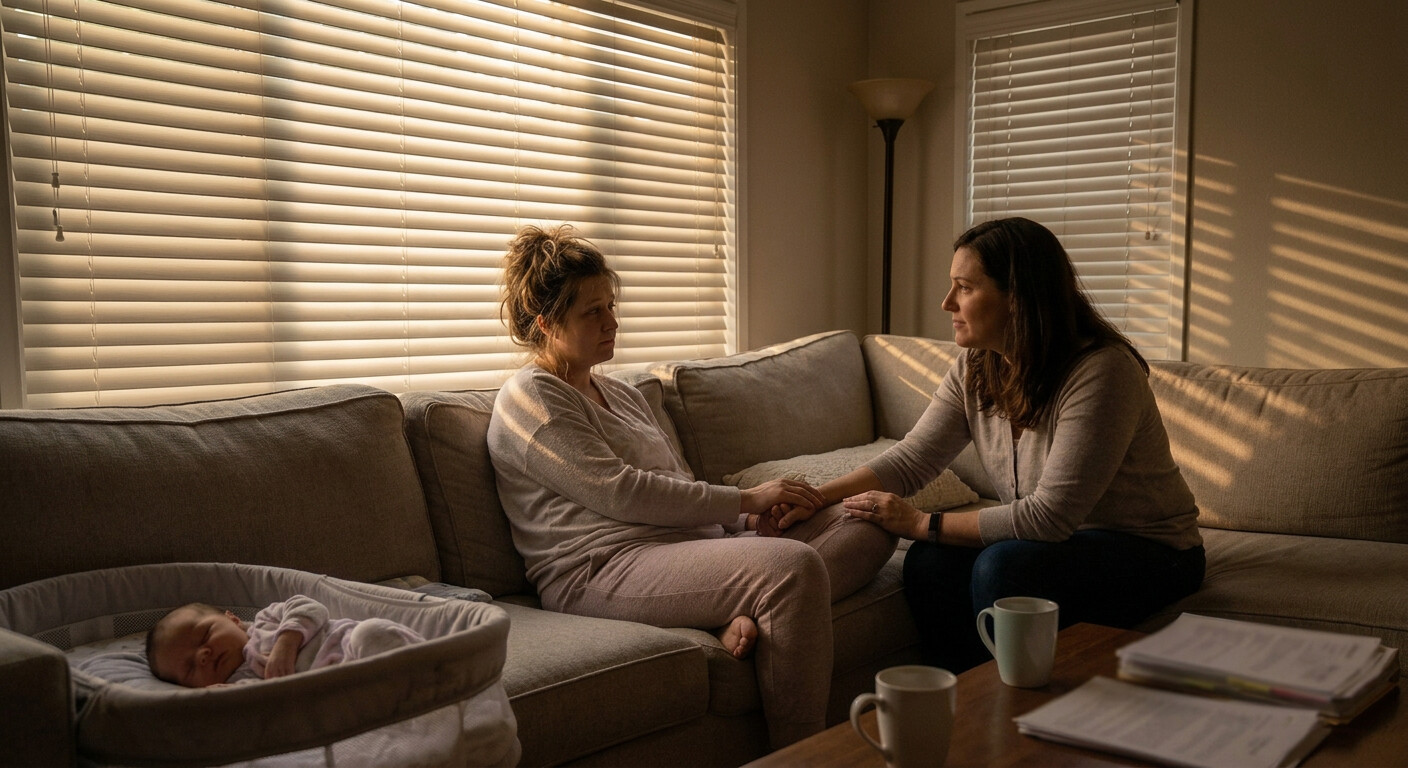
Getting out of the house with a newborn can feel impossible some days. Telehealth solves that. Most Sherman Oaks therapists now offer online therapy sessions, and many support groups have moved online or hybrid. You can join from your living room, baby on your lap, no makeup required.
Online forums and social media groups add another layer. They're not a replacement for professional care, but they're accessible 24/7 when you need to vent at 3 a.m. or ask if what you're experiencing is normal. Just make sure the groups are moderated and evidence-based — not every corner of the internet is helpful.
Holistic Options That Complement the Clinical Stuff
Sherman Oaks has a strong wellness community, and plenty of postpartum mothers find relief through movement, breathwork, and bodywork. Yoga studios offer postnatal classes that focus on gentle recovery and stress release. Acupuncture and massage therapy help regulate the nervous system when it's stuck in overdrive.
These aren't replacements for therapy or medication when needed, but they're solid additions. Here's what works for many:
- Postpartum yoga: Low-impact movement that rebuilds strength and offers mental space.
- Meditation and breathwork: Helps calm the fight-or-flight response that anxiety loves to trigger.
- Acupuncture: Some mothers report better sleep and mood regulation after consistent sessions.
- Massage therapy: Reduces physical tension that often accompanies emotional stress.
Partners and Family Need a Roadmap Too
Postpartum mental health doesn't just affect the mother. Partners often feel helpless or confused about how to support someone they love who's struggling. Family dynamics shift, and without guidance, relationships can fray under the pressure.
Sherman Oaks offers resources specifically for partners and families. Couples therapy helps navigate the transition together. Family therapy addresses how everyone adjusts to the new normal. And educational workshops give partners practical tools — what to watch for, how to help, when to step in.
Support isn't one-sided. When the whole household understands what's happening and how to respond, recovery is faster and the family unit stays stronger.
Red Flags That Mean It's Time to Reach Out
Knowing when to ask for help isn't always obvious. Some warning signs are clear — thoughts of harming yourself or the baby require immediate intervention. But other symptoms are quieter and easier to dismiss.
Here's what shouldn't be ignored:
- Persistent sadness or hopelessness that lasts beyond two weeks
- Severe anxiety or panic attacks that interfere with daily function
- Difficulty bonding with your baby or feeling detached
- Intrusive thoughts that scare you
- Changes in appetite or sleep that go beyond typical newborn disruption
- Withdrawing from your partner, family, or activities you used to enjoy
Documentation Keeps Your Care on Track
If you're working with a therapist or considering medication, keeping notes helps. Track your mood, sleep patterns, and any triggers you notice. It sounds tedious, but it gives your provider real data to work with instead of relying on memory during a ten-minute check-in.
Some mothers use apps designed for mood tracking. Others prefer a simple journal. Either way, the goal is the same — create a record that shows patterns and progress. When you're in the thick of it, it's hard to see improvement. Documentation proves it's happening.
Insurance and Cost Shouldn't Be Barriers
Mental health care can get expensive, but Sherman Oaks has options across the cost spectrum. Many therapists accept insurance, and some offer sliding scale fees based on income. Community organizations often provide free or low-cost support groups.
If cost is a concern, ask upfront. Most providers are transparent about fees and can help you find affordable care. Postpartum Support International also maintains a directory of therapists who specialize in maternal mental health and offer financial flexibility.
Taking the Step That Changes Everything
Reaching out for support isn't admitting defeat. It's recognizing that postpartum is hard, that your brain chemistry is doing wild things, and that you deserve help navigating it. Sherman Oaks has the resources — therapists, groups, holistic practitioners, and community programs — but they only work if you use them.
The mothers who recover fastest aren't the ones who tough it out alone. They're the ones who build a support network early, stay consistent with care, and give themselves permission to struggle without shame. You don't have to feel perfect to be a good parent. You just have to show up and ask for what you need.
Let’s Start Your Postpartum Healing Together
We know how overwhelming the postpartum journey can feel, but you don’t have to navigate it alone. Let’s work together to find the support and relief you deserve—whether that means therapy, group connection, or holistic care. If you’re ready to take the next step, call us at 424-261-9444 or contact us today so we can help you move forward with confidence and care.
‹ Back
Recent Posts
-

Is Now a Good Time for Anxiety Counseling in Sherman Oaks?
September 28, 2026
-
Can Child Therapy in Sherman Oaks Help With School Stress?
September 14, 2026
-

-

Can Counseling in Pasadena Help With Social Anxiety?
August 17, 2026
-