


Mental Health Support in Sherman Oaks During Serious Medical Treatment
Most people think serious illness is just about the body. Scans, treatments, recovery timelines. But the mind takes a hit too — and if you're not watching for it, the damage compounds. A cancer diagnosis or chronic condition doesn't just disrupt your health. It rewires your emotional baseline, your sense of control, and sometimes your will to keep fighting.
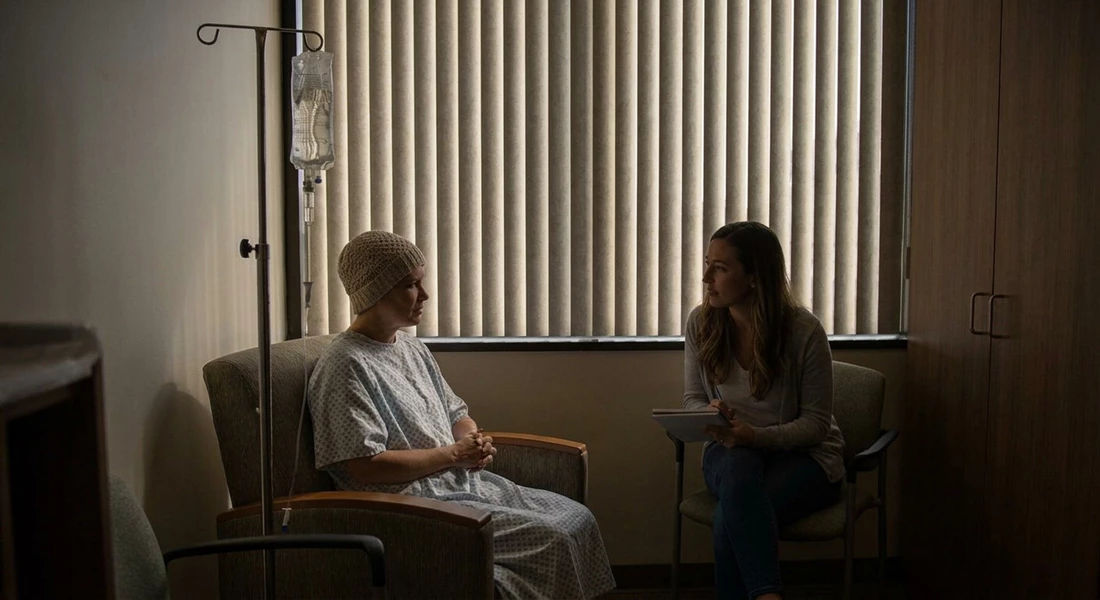
So here's what we know. If you're facing something serious, mental health isn't optional. It's not a luxury you address after the physical stuff is handled. Every symptom you ignore — the sleepless nights, the spiraling thoughts, the isolation — makes recovery harder. Every conversation you avoid with a counselor or support group is a missed chance to stabilize. And every decision to push through alone should be grounded in whether you're actually coping, not just whether you look like you are.
The Weight Hits Before You're Ready
A serious diagnosis doesn't arrive with a manual. It shows up with fear, confusion, and a flood of questions you're not equipped to answer. Will the treatment work? What happens if it doesn't? How do you explain this to your kids, your partner, your boss? The uncertainty alone can be paralyzing.
And it's not just patients. Caregivers carry their own load — watching someone they love suffer, managing logistics, and suppressing their own panic to stay strong. That emotional burden doesn't disappear when the hospital visit ends. It lingers. It builds. And if it's not addressed, it breaks people down in ways that don't show up on a chart.
Your Brain and Your Body Are on the Same Team
We've seen the data. Patients who get mental health support during treatment recover faster, stick to their care plans better, and report higher quality of life. It's not just about feeling better emotionally — though that matters. It's about how stress, depression, and anxiety directly interfere with healing.
When your mental health tanks, your immune system follows. Pain feels worse. Fatigue deepens. Compliance with medication drops. The mind-body connection isn't abstract — it's measurable. And ignoring it doesn't make you tougher. It just makes recovery slower and harder than it needs to be.
What Actually Helps
Mental health support isn't one-size-fits-all. What works for one person might not land for another. But there are proven tools that make a difference when the stakes are high.
- Therapy sessions: Licensed professionals help you process fear, grief, and anger in a structured way. Cognitive-behavioral approaches and mindfulness techniques are especially effective during medical crises.
- Peer support groups: Talking to people who've been through it removes the isolation. You're not explaining yourself. You're just understood.
- Psychiatric medication: Sometimes the brain needs chemical support to manage anxiety or depression. There's no shame in that. It's treatment, not weakness.
- Mind-body practices: Meditation, guided imagery, and breathwork can lower stress hormones and improve emotional regulation without side effects.
- Care coordination services: Social workers and patient navigators handle the logistical chaos — insurance, transportation, financial aid — so you can focus on healing instead of paperwork.
How to Get the Help You Need
Start by asking your medical team. Most hospitals have mental health professionals embedded in oncology, cardiology, and other serious-care departments. If they don't bring it up, you should. There's no reason to wait until you're in crisis.
Telehealth has opened doors for people who can't make it to in-person appointments. You can connect with a therapist from your couch, between treatments, or late at night when the anxiety spikes. Online therapy and apps offer additional layers of support when you need something immediate. Don't assume you have to do this alone just because the system didn't hand you a referral.
The People Around You Matter Too
Family and friends want to help, but they often don't know how. The best thing they can do is listen without trying to fix everything. Show up. Ask what's needed. And respect when the answer is "nothing right now."
Caregivers also need to protect their own mental health. Burnout is real, and it doesn't make you selfish to seek counseling or take a break. You can't pour from an empty cup, and pretending you're fine when you're not helps no one. Respite care, therapy, and caregiver support groups exist for a reason. Use them.
The Stigma Still Exists
Even now, people hesitate to admit they're struggling emotionally during a medical crisis. There's this idea that asking for mental health support means you're not handling it well, or that you should be tougher. That's garbage.
Seeking help is smart. It's proactive. And it's what people who actually recover well tend to do. The ones who suffer in silence don't get bonus points for endurance. They just suffer longer. If you wouldn't skip chemotherapy because it felt awkward, don't skip therapy for the same reason.
What Happens When You Don't Address It
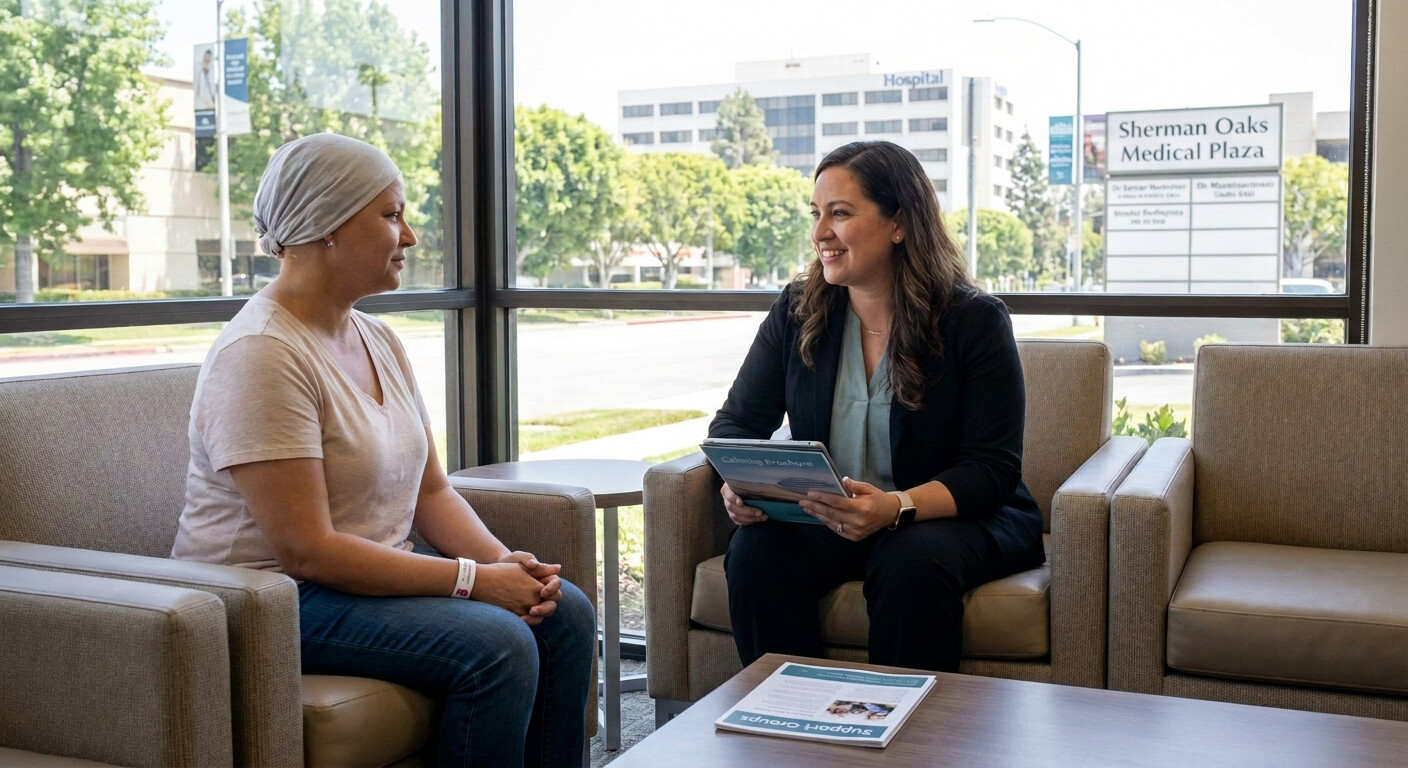
Ignoring mental health during serious illness doesn't make the problem go away. It makes everything harder. Depression slows healing. Anxiety disrupts sleep, which weakens your immune response. Isolation increases the risk of giving up on treatment altogether.
We've watched patients who had every medical advantage lose ground because their mental state collapsed. And we've seen others with tougher diagnoses thrive because they built a mental health support for cancer patients early. The difference wasn't luck. It was strategy.
Resources You Can Access Right Now
You don't need to wait for permission to start taking care of your mental health. There are tools available today that can make a measurable difference.
- Hospital-based programs: Many cancer centers and specialty clinics offer free counseling and cancer support groups as part of treatment.
- National hotlines: Organizations like the American Cancer Society and Mental Health America provide 24/7 support and referrals.
- Telehealth platforms: Services like BetterHelp and Talkspace connect you with licensed therapists quickly, often with insurance coverage.
- Community organizations organizations: Local nonprofits often run peer-led groups and wellness programs tailored to people facing serious illness.
- Employee assistance programs: If you're still working, your employer may offer confidential counseling at no cost.
When to Bring in a Professional
If you're losing sleep, withdrawing from people, or feeling hopeless more days than not, that's the signal. Don't wait for it to get worse. A mental health professional can help you regain stability before the spiral deepens.
They'll also help you separate normal grief and fear from clinical depression or anxiety disorders. One requires time and support. The other requires treatment. Knowing the difference can save months of unnecessary suffering. Clinical staff trained in medical trauma can provide specialized care during this vulnerable time.
Building Resilience While You Heal
Serious illness tests you in ways nothing else does. But resilience isn't about toughing it out alone. It's about knowing when to ask for help, when to rest, and when to lean on the people and systems designed to support you.
Mental health care during treatment isn't a detour. It's part of the path forward. The patients who come out stronger on the other side aren't the ones who ignored their emotions. They're the ones who faced them head-on, with the right support, at the right time. Individual therapy provides a safe space to process these complex emotions, while group therapy connects you with others navigating similar challenges. That's not weakness. That's survival done right.
Let’s Take the Next Step Together
We know how overwhelming it can feel to balance your mental health while facing serious medical treatment. You don’t have to do it alone—let’s work together to find the support and strategies that fit your journey. If you’re ready to talk or have questions, call us at 424-261-9444 or contact us today so we can help you move forward with confidence and care.
‹ Back
Recent Posts
-

Can Child Therapy in Sherman Oaks Help With School Stress?
September 14, 2026
-

-

Can Counseling in Pasadena Help With Social Anxiety?
August 17, 2026
-

-

Can Therapy in West Covina Help With Caregiver Stress?
July 20, 2026