


Can Couples Counseling in Santa Clarita Help Rebuild Trust?
Most couples think broken trust is just about the betrayal itself. The lie, the affair, the secret. But a therapist sees more than that — and if you don't, you're in for a longer road. Trust doesn't vanish overnight, and it won't return that way either. Especially if you're avoiding the real conversations or pretending things will fix themselves.
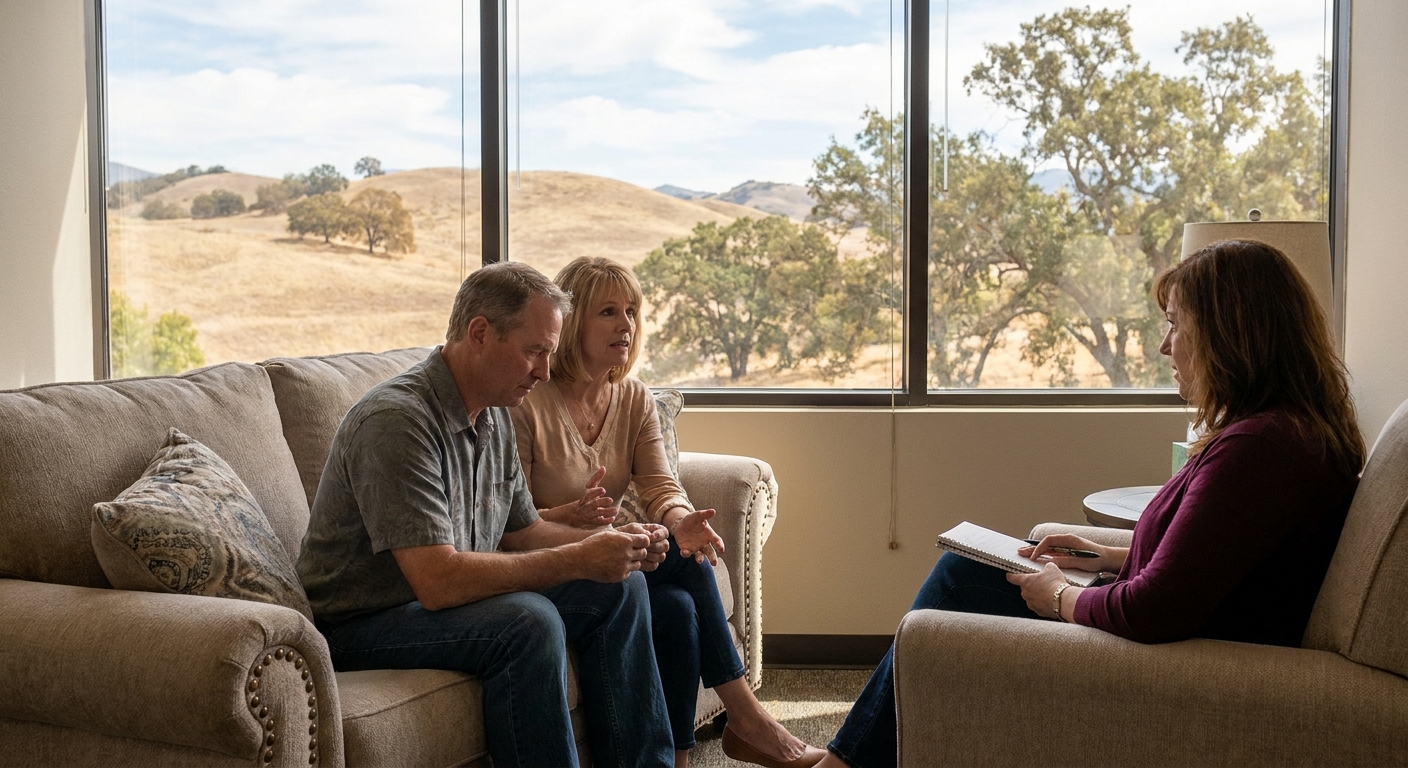
So here's what matters. If you're willing to show up and do the work, couples therapy can rebuild what's broken. Just don't expect a magic wand. Every session should push you forward. Every conversation needs honesty. And every bit of progress should be grounded in what you're actually doing — not just what you're saying you'll do.
When Trust Collapses and What Follows
Nine times out of ten, broken trust doesn't announce itself with a single event. Sure, there's usually a trigger — infidelity, dishonesty, a boundary crossed. But the real damage builds over time. Small resentments pile up. Communication breaks down. One partner checks out emotionally while the other's left wondering what went wrong.
By the time couples land in a Santa Clarita counseling office, they're not just dealing with the incident. They're dealing with months or years of distance, anger, and defensiveness. A therapist doesn't ignore that history. They help you unpack it, piece by piece, so you can see what's salvageable and what needs to be rebuilt from scratch.
What Therapy Actually Does for Broken Relationships
Counseling isn't about sitting on a couch and venting while someone nods along. It's structured. It's intentional. And when done right, it forces both partners to face things they've been avoiding. A good therapist in Santa Clarita won't let you hide behind excuses or deflect blame. They'll hold space for pain, but they'll also push you toward accountability.
Here's where that matters most:
- Creating safe space for hard truths: You can't heal what you won't talk about. Therapy gives you a neutral zone where both partners can speak without fear of immediate retaliation or shutdown.
- Uncovering the patterns that led here: Broken trust rarely happens in a vacuum. There are usually warning signs, unmet needs, or communication gaps that set the stage. Therapy helps you identify those patterns so you don't repeat them.
- Teaching repair skills you probably don't have: Most people weren't raised with tools for conflict resolution or emotional regulation. Counseling teaches you how to fight fair, apologize effectively, and rebuild connection step by step.
- Holding both partners accountable: The person who broke trust has to own it. The hurt partner has to decide if they're willing to engage in healing. A therapist keeps both sides honest about what they're bringing to the table.
- Providing structure when everything feels chaotic: After betrayal, emotions run wild. Therapy gives you a roadmap — not a guarantee, but a process you can follow when everything else feels uncertain.
The Part Where Progress Gets Messy
Want to rebuild trust? You'll need more than a few sessions and good intentions. The injured partner will have setbacks — days when the anger resurfaces or the doubt creeps back in. The partner who caused the harm will get frustrated that forgiveness isn't happening fast enough. Both will wonder if it's worth it.
This is where most couples either quit or push through. Therapy doesn't eliminate the mess. It helps you navigate it. A skilled counselor will remind you that healing isn't linear. They'll give you tools to manage triggers, reframe conflicts, and stay committed even when progress feels invisible.
What Separates Therapists Who Get Results
Not all counselors are created equal. Some are great with individuals but struggle with couples work. Others talk a good game but lack the training to handle high-conflict situations or infidelity recovery. In Santa Clarita, you've got options — but you need to be picky.
Look for these markers:
- Licensed and specialized in couples therapy: Marriage: Marriage and family therapists (LMFTs) are trained specifically for relational work. That matters when you're dealing with trust issues.
- Experience with evidence-based models: Approaches like Emotionally Focused Therapy (EFT) and the Gottman Method have decades of research backing them up. If your therapist is using random techniques with no proven track record, walk away.
- Willingness to challenge both partners: A good therapist won't take sides, but they also won't let either of you off the hook. If they're only validating one person's feelings, that's a red flag.
- Clear communication about the process: You should know what to expect from session one. How long will this take? What are the goals? What happens if one partner isn't fully committed? A solid therapist answers those questions upfront.
- Chemistry that works for both of you: If one partner feels unheard or judged, the work won't stick. Most therapists offer consultations — use them to make sure the fit is right before you commit.
Where Couples Go Sideways During Recovery
Even with a great therapist, some couples sabotage their own progress. They show up to sessions but don't do the work between them. They agree to changes but don't follow through. Or they expect the counselor to fix everything while they sit back and wait.
Here's what derails trust recovery most often:
- Skipping the homework: Therapy isn't just what happens in the room. If your counselor gives you exercises or asks you to practice a skill, do it. Otherwise, you're wasting time and money.
- Bringing up past wrongs during unrelated fights: Once you've processed something in therapy, leave it there. Using old pain as ammunition during new conflicts will undo months of progress.
- Expecting instant forgiveness: The partner who broke trust often wants the hurt partner to "get over it" faster than is realistic. Healing takes as long as it takes. Pushing for speed will backfire.
- Refusing to be vulnerable: If you're guarded and defensive every session, you're blocking the very connection you're trying to rebuild. Trust requires risk.
- Ignoring red flags that nothing's changing: If weeks or months go by and the same issues keep surfacing with no movement, it's time to reassess. Either the therapist isn't the right fit, or one partner isn't truly invested.
Documentation Matters Even in Therapy
This might sound clinical, but tracking your progress helps. Keep notes after each session about what resonated, what felt hard, and what you committed to working on. If you're rebuilding trust after infidelity, some couples find it helpful to establish clear agreements — and write them down.
What does transparency look like moving forward? Are there boundaries around phones, social media, or time apart? These aren't punishments. They're scaffolding while trust gets rebuilt. A therapist can help you create agreements that feel fair to both partners, not just punitive to one.

How Long This Actually Takes
There's no universal timeline. Some couples see real shifts in a few months. Others need a year or more, especially if the betrayal was severe or if trust was already fragile before the incident. Therapists in Santa Clarita will tell you upfront that consistency matters more than speed.
Weekly sessions are standard at the start. As things stabilize, you might drop to biweekly or monthly check-ins. But don't ghost your therapist the second things feel better. Relapse is common when couples stop too early. Finish the work, even when it's uncomfortable.
Knowing When to Walk Away
Counseling can save a lot of relationships. But not all of them. Sometimes the damage is too deep, or one partner simply isn't willing to change. A good therapist won't force you to stay together — they'll help you figure out what's right for both of you.
If abuse is present, if one partner refuses accountability, or if the same patterns repeat despite months of effort, it might be time to consider separation. That's not failure. That's clarity. And sometimes, that's the healthiest outcome for everyone involved.
Rebuilding Takes More Than Hoping for Better
Trust doesn't return because you want it to. It comes back through consistent action, honest communication, and a willingness to sit with discomfort. Couples counseling in Santa Clarita gives you the framework. You supply the effort. Together, those two things can turn a relationship on life support into something stronger than it was before the break.
If you're ready to stop circling the same arguments and start making real progress, find a licensed therapist who specializes in couples work. Show up. Do the work. And give yourself a real shot at rebuilding what matters.
Let’s Take the First Step Together
Rebuilding trust isn’t easy, but we don’t have to do it alone. When we’re ready to move forward and create real change, reaching out for support can make all the difference. If you’re ready to start this journey with a team that understands what you’re facing, call us at 424-261-9444 or contact us to get started together.
‹ Back
Recent Posts
-
Can Couples Counseling in Santa Clarita Help Rebuild Trust?
November 23, 2026
-

Can Therapy in West Covina Help You Set Better Boundaries?
November 9, 2026
-

Is Now a Good Time for Anxiety Counseling in Sherman Oaks?
September 28, 2026
-

Can Child Therapy in Sherman Oaks Help With School Stress?
September 14, 2026
-