
Is Couples Therapy in Sherman Oaks Helpful for Constant Arguments?
Arguments don't mean the relationship is broken. But when they're constant? That's a signal worth listening to. Most couples in Sherman Oaks don't fight because they've stopped caring — they fight because they're stuck in patterns they can't name, much less fix. Therapy isn't a miracle cure. It's a process. And if both partners show up willing to do the work, it changes how disagreements land. Not by eliminating conflict, but by teaching you how to navigate it without burning the house down.

Here's what we know. Relationships thrive on clarity. When communication breaks down, everything else follows. The same argument repeats on loop because the real issue never gets addressed. Couples therapy pulls that issue into the light — and gives you the tools to handle it without the emotional wreckage you've grown used to. If you're in Sherman Oaks and wondering whether therapy actually works, the answer depends less on the therapist and more on whether you're ready to stop defending and start listening.
Where the Fights Actually Start
Most couples think they're arguing about dishes or schedules or whose turn it is to take out the trash. They're not. Those surface-level triggers sit on top of deeper fractures — unmet needs, unspoken resentments, mismatched expectations. Over time, those fractures widen. What started as a minor disagreement becomes a full-blown pattern. And once the pattern sets in, it's hard to break without outside help.
Sherman Oaks couples juggle careers, family obligations, financial stress, and the pressures that come with living in a fast-moving city. When life gets loud, communication gets sloppy. Small misunderstandings escalate. Tone matters more than words. And before long, you're not even arguing about the thing you're arguing about — you're just reacting to how the last fight ended. That's when professional couples therapy becomes less of an option and more of a necessity.
What Therapy Actually Does
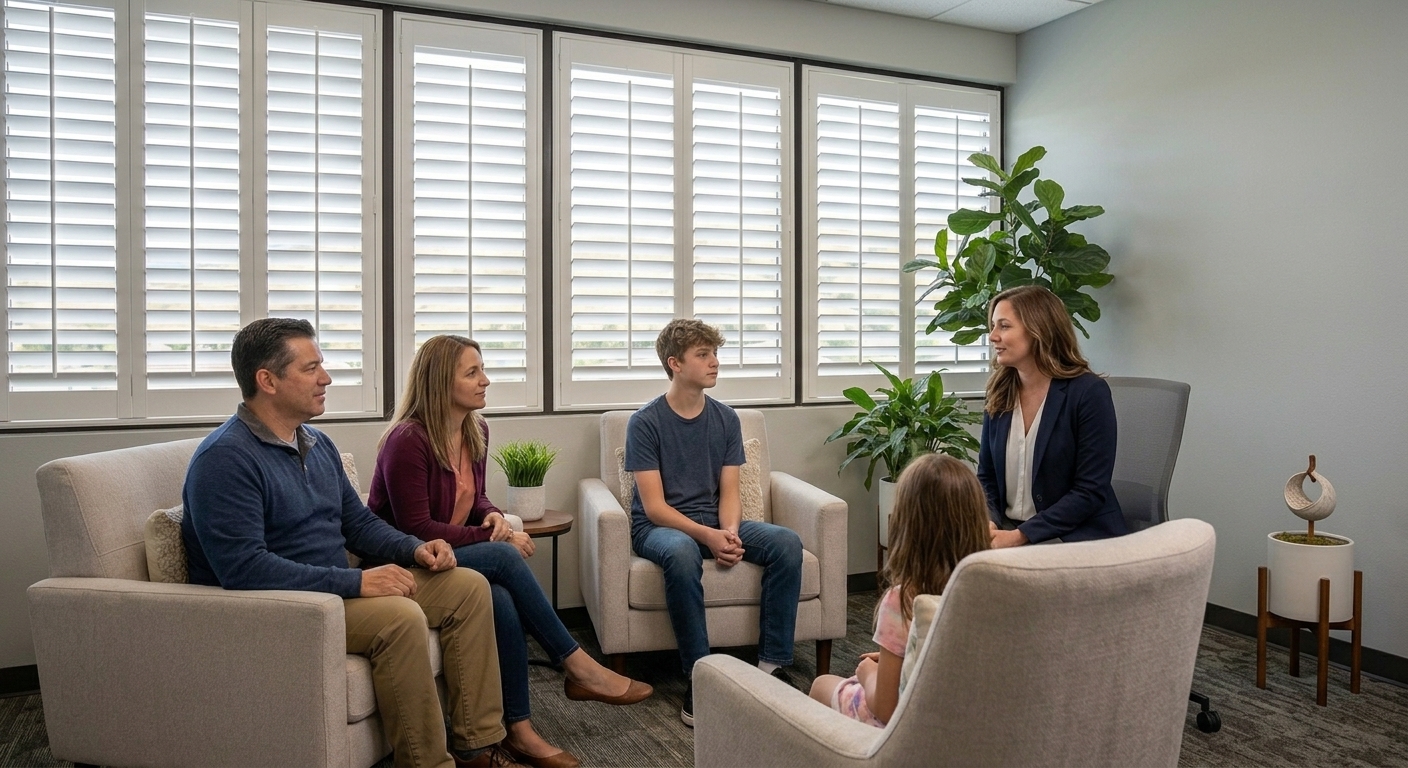
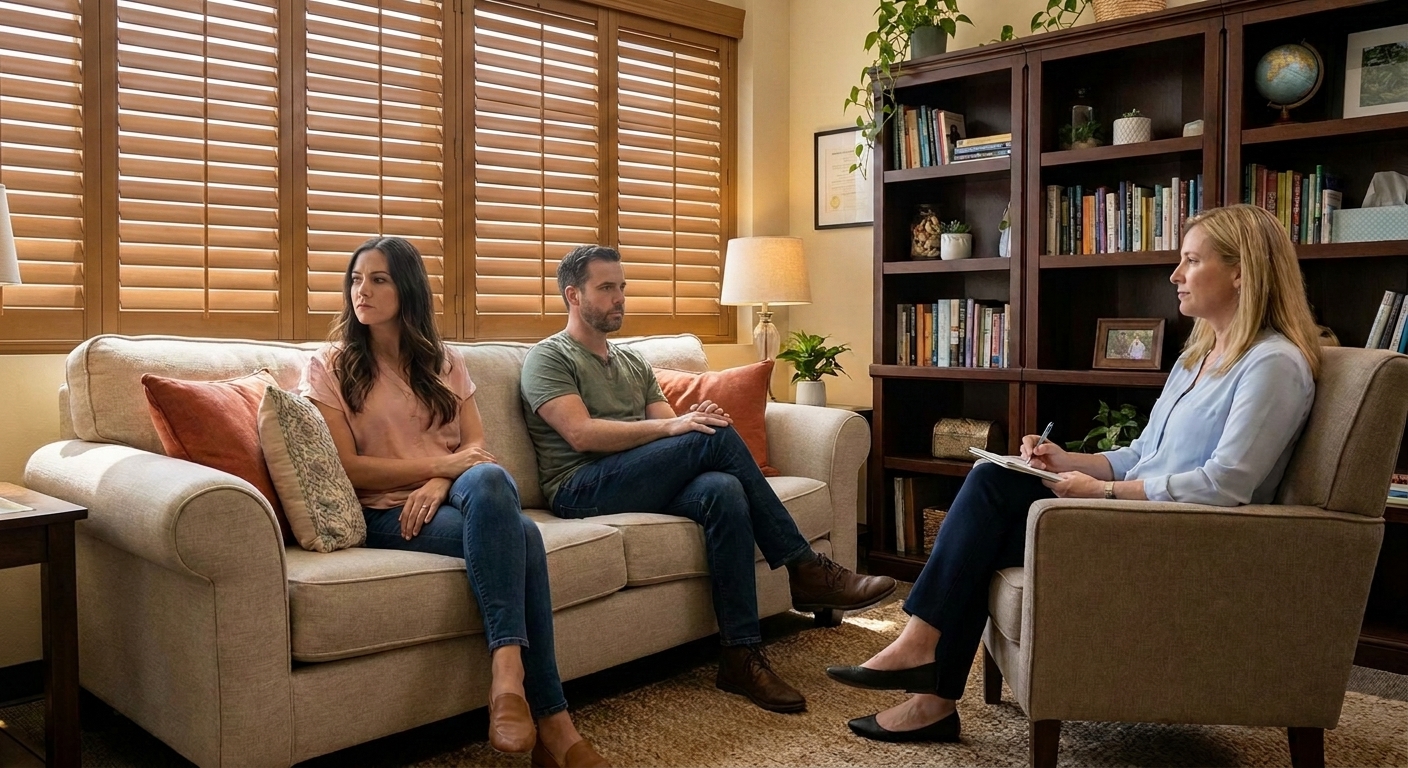
Couples therapy isn't about picking sides or assigning blame. It's about creating a space where both partners can speak without defensiveness — and listen without planning their rebuttal. A trained therapist helps you see the patterns you're stuck in and teaches you how to interrupt them. The goal isn't to stop disagreeing. It's to disagree without destroying trust in the process.
- Better Communication: We learn to say what we mean without turning every sentence into an accusation. Active listening replaces interruptions. Clarity replaces assumptions.
- Conflict Tools: Instead of shouting or shutting down, we develop strategies that de-escalate tension. The fights don't disappear — but they stop feeling like war zones.
- Pattern Recognition: A therapist spots the cycles we can't see from the inside. Once those cycles are visible, we can choose different responses.
- Trust Rebuilding: Constant arguments erode intimacy. Therapy creates a container to repair what's been damaged and rebuild emotional safety.
- Individual Insight: We gain awareness of our own triggers and behaviors. That self-knowledge shifts how we show up — not just in the relationship, but everywhere.
Why Sherman Oaks Couples Have an Advantage
Sherman Oaks offers access to experienced therapists who understand the specific stressors that local couples face. Whether it's balancing demanding careers, navigating cultural differences, or managing the pace of urban life, finding a therapist who gets your context makes a difference. You're not explaining your world from scratch — you're working with someone who already speaks the language.
Flexibility matters too. Many therapists in the area offer evening and weekend sessions, plus virtual therapy options for couples who need scheduling ease or prefer privacy. The barriers to getting help are lower than ever. What's left is the decision to show up and commit to the process.
Sessions Won't Fix Everything Overnight
Therapy requires patience. The first session usually involves an assessment — understanding who you are as individuals and as a couple, what's driving the conflict, and what you're each hoping to change. From there, the work begins. You'll practice new communication techniques. You'll unpack old wounds. You'll set goals and track progress.
Some weeks will feel like breakthroughs. Others will feel like spinning wheels. That's normal. Progress isn't linear. What matters is consistency. Both partners need to show up — not just physically, but emotionally. Half-hearted participation kills momentum. Full commitment builds something stronger than what you had before the fights started.
Therapy Works When Both Partners Work
If constant arguments are eroding your relationship, couples therapy in Sherman Oaks offers a proven path forward. It's not about blame or shortcuts. It's about learning how to handle conflict in a way that strengthens the relationship instead of tearing it apart. Therapy won't eliminate disagreements — but it will teach you how to fight fair, speak clearly, and rebuild the connection that brought you together in the first place.
We've seen it work for couples who were ready to walk away. We've seen it fail for couples who expected the therapist to do the heavy lifting. The difference isn't the method. It's the mindset. If you're willing to show up, listen hard, and do the uncomfortable work of changing how you respond — therapy doesn't just reduce arguments. It transforms how you relate. For support that understands the unique challenges of local relationships, explore our comprehensive therapy services. And that shift is worth every uncomfortable session along the way.
Ready to Break the Cycle?
We all deserve a relationship where disagreements don't spiral out of control. If you're tired of the same arguments and want to build something stronger together, let's take the next step. Reach out to us at 424-261-9444 or contact us to start your journey toward better communication and a healthier connection.
‹ Back
Recent Posts
-

Is Now a Good Time for Anxiety Counseling in Sherman Oaks?
September 28, 2026
-
Can Child Therapy in Sherman Oaks Help With School Stress?
September 14, 2026
-
-
Can Counseling in Pasadena Help With Social Anxiety?
August 17, 2026
-