


Can Child Therapy in Sherman Oaks Help With School Stress?
Most parents assume school stress is just part of growing up. Homework piles up, tests roll in, and kids figure it out. But when that stress starts showing up as sleepless nights, stomach aches, or total shutdown mode, you're not dealing with a phase anymore. You're watching your kid struggle — and guessing your way through it isn't going to cut it. Child therapy offers a real tool to tackle what's happening under the surface, especially when school pressure becomes the weight your kid can't shake.
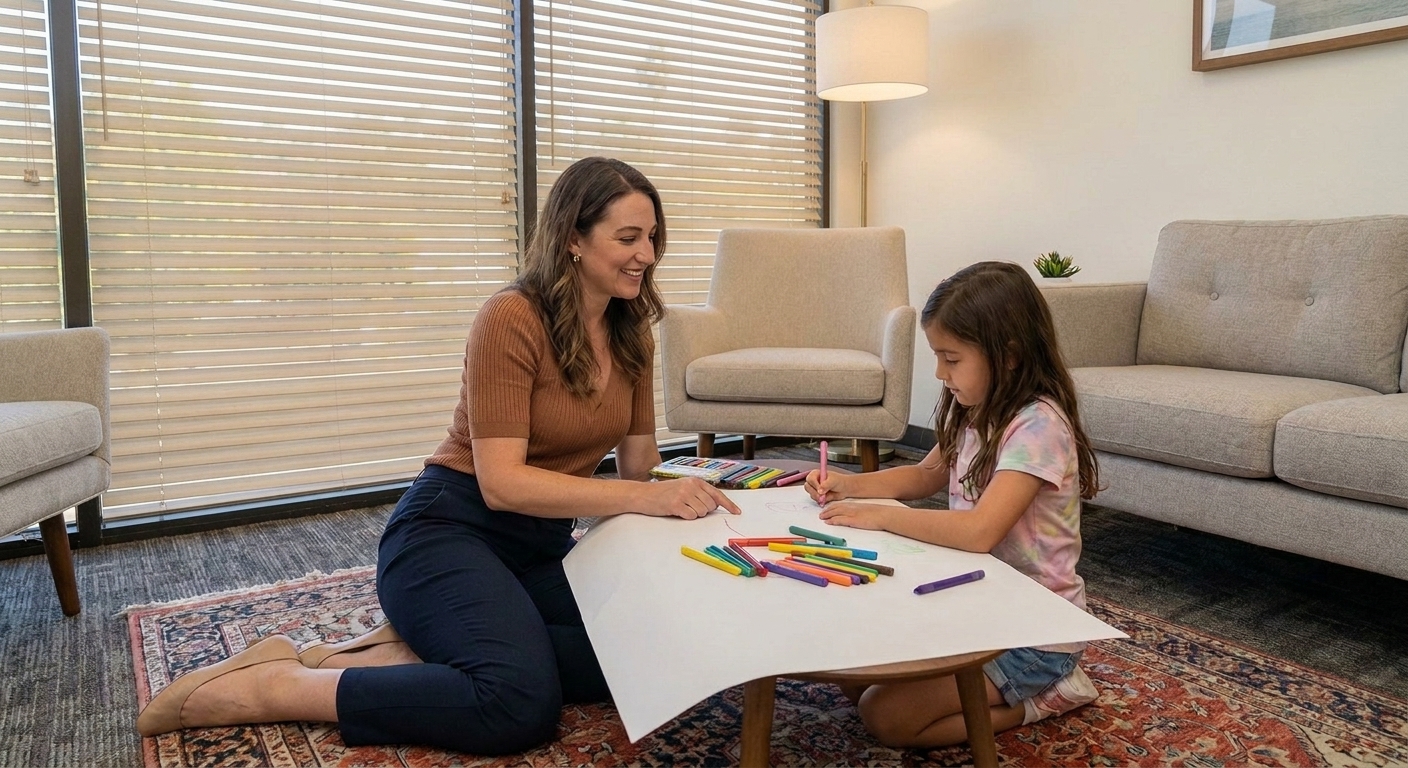
Sherman Oaks families know the stakes. The schools are competitive. The expectations are high. And the stress? It compounds fast. If your child is feeling buried by assignments, social drama, or just the grind of keeping up, therapy might be the clearest path forward. Not because something's broken, but because having a professional in your corner changes the game.
When School Pressure Turns Into Something Bigger
Stress doesn't always announce itself. Sometimes it's a kid who used to love reading suddenly dreading homework. Or a middle schooler who's snapping at everyone over nothing. Physical complaints show up too — headaches before tests, nausea on Monday mornings, trouble falling asleep because the brain won't turn off. These aren't always red flags on their own, but when they cluster together and stick around, you're looking at chronic stress.
What drives it varies. Maybe it's the pressure to keep up grades for a magnet program. Maybe it's a teacher who doesn't mesh with your kid's learning style. Or it could be social — friendships fracturing, exclusion at lunch, bullying that never quite gets addressed. In Sherman Oaks, where academic competition runs hot and extracurriculars stack up, that stress has plenty of fuel.
What Therapy Actually Does for Stressed Kids
Child therapy isn't about sitting in a room and talking about feelings for an hour. It's structured support designed to give kids tools they don't naturally develop on their own. Therapists use approaches tailored to age and temperament — play therapy for younger kids, cognitive-behavioral techniques for older ones, and everything in between. The goal is always the same though: help the child understand what they're feeling, why it's happening, and what they can do about it.
For school stress specifically, therapy addresses the thought patterns fueling the anxiety. Kids learn to reframe catastrophic thinking, manage test anxiety, and build problem-solving skills that carry over into the classroom. It's not magic. It's teaching a kid how to navigate pressure without crumbling under it.
The Benefits That Show Up Fast
When therapy starts working, parents notice the shift. Here's what that can look like:
- Better emotional regulation: Meltdowns become less frequent. Your kid starts bouncing back faster when something goes wrong.
- Practical coping strategies: They learn breathing exercises, grounding techniques, or mindfulness practices they can use during tests or tough moments.
- Stronger self-advocacy: Kids get better at speaking up when they need help, whether that's asking a teacher for clarification or telling you they're overwhelmed.
- Improved focus and performance: When anxiety drops, concentration improves. Grades often follow, but more importantly, your child feels capable again.
- Family communication opens up: Therapy often involves parents, helping everyone understand what's happening and how to support each other more effectively.
Why Local Therapists Make a Difference
Finding a therapist in Sherman Oaks means working with someone who understands the ecosystem your child operates in. They know the schools, the academic culture, and the unique pressures that come with living in a high-achieving community. That context matters. A therapist who gets it doesn't need a lengthy explanation about why your kid feels crushed by the expectation to perform at a certain level — they've seen it before and know how to address it.
Plus, proximity matters for consistency. Weekly appointments are easier to maintain when the drive isn't a logistical nightmare. Many local therapists also offer flexible scheduling or telehealth options, making it simpler to fit therapy into an already packed calendar.
Signs It's Time to Make the Call
You don't need to wait for a crisis to seek help. If school stress is disrupting daily life, that's enough. Watch for these signals:
- Persistent worry about grades, tests, or school performance
- Physical symptoms that spike around school days or deadlines
- Withdrawal from activities they used to enjoy
- Increased irritability, sadness, or emotional outbursts
- Sleep disturbances or changes in appetite tied to school stress
What Happens When You Wait Too Long
Ignoring school stress doesn't make it evaporate. It builds. Anxiety can morph into avoidance behaviors — skipping school, refusing to participate, or falling behind because the stress of catching up feels impossible. Academic struggles feed into self-esteem issues, which then make school feel even more threatening. It's a cycle that gets harder to break the longer it runs.
Early intervention stops that spiral. Getting help when stress is manageable keeps it from becoming a full-blown mental health crisis. And frankly, it teaches your kid a critical life skill: recognizing when you need support and knowing how to get it.
Therapy Isn't a Solo Act
Effective child therapy involves the whole family. Therapists work with parents to identify triggers at home, adjust routines, and communicate more effectively. They may also collaborate with teachers or school counselors to create consistency across environments. The more aligned everyone is, the faster progress happens.
You're not outsourcing your role as a parent. You're adding a trained professional to the team who can spot patterns you might miss and offer strategies you wouldn't know to try. That's not weakness — it's smart.
Finding the Right Fit in Sherman Oaks
Not every therapist clicks with every kid. That's normal. Look for someone licensed and experienced in child and adolescent therapy, with a track record of addressing school-related stress. Many therapists offer initial consultations so you can gauge fit before committing. Ask about their approach, what techniques they use, and how they involve parents in the process.
If your child doesn't connect with the first therapist, try another. The relationship between therapist and child is the foundation of progress. Without trust and comfort, even the best techniques fall flat.
Building Resilience That Lasts
Therapy for school stress isn't just about surviving this semester. It's about equipping your child with tools they'll use for life. Stress management, emotional regulation, problem-solving — these skills apply far beyond the classroom. When kids learn how to handle pressure early, they enter adulthood with a resilience that protects them through college, careers, and relationships.
School stress is real, but it doesn't have to define your child's experience. With the right support, kids learn to navigate challenges without getting crushed by them. Child therapy in Sherman Oaks offers that support — practical, accessible, and tailored to the realities of growing up in a high-pressure environment. If your child is struggling, don't wait for it to resolve on its own. Make the call. The earlier you act, the stronger they'll be for it.
Let’s Tackle School Stress Together
We know how overwhelming it can feel when your child is weighed down by school stress, but you don’t have to navigate this alone. Let’s work as a team to give your child the support and tools they need to thrive—both in and out of the classroom. If you’re ready to take the next step, call us at 424-261-9444 or contact us us today to start the conversation.
‹ Back
Recent Posts
-
Can Child Therapy in Sherman Oaks Help With School Stress?
September 14, 2026
-

-

Can Counseling in Pasadena Help With Social Anxiety?
August 17, 2026
-

-

Can Therapy in West Covina Help With Caregiver Stress?
July 20, 2026