


Where Sherman Oaks Residents Can Find Affordable Mental Health Support
Most people think mental health care is either expensive or nonexistent. But Sherman Oaks has more options than you'd expect — and if you're not looking in the right places, you're missing out. Affordable support isn't just about sliding scales or insurance. It's about knowing where to go, what to ask for, and how to cut through the noise when you need help fast.
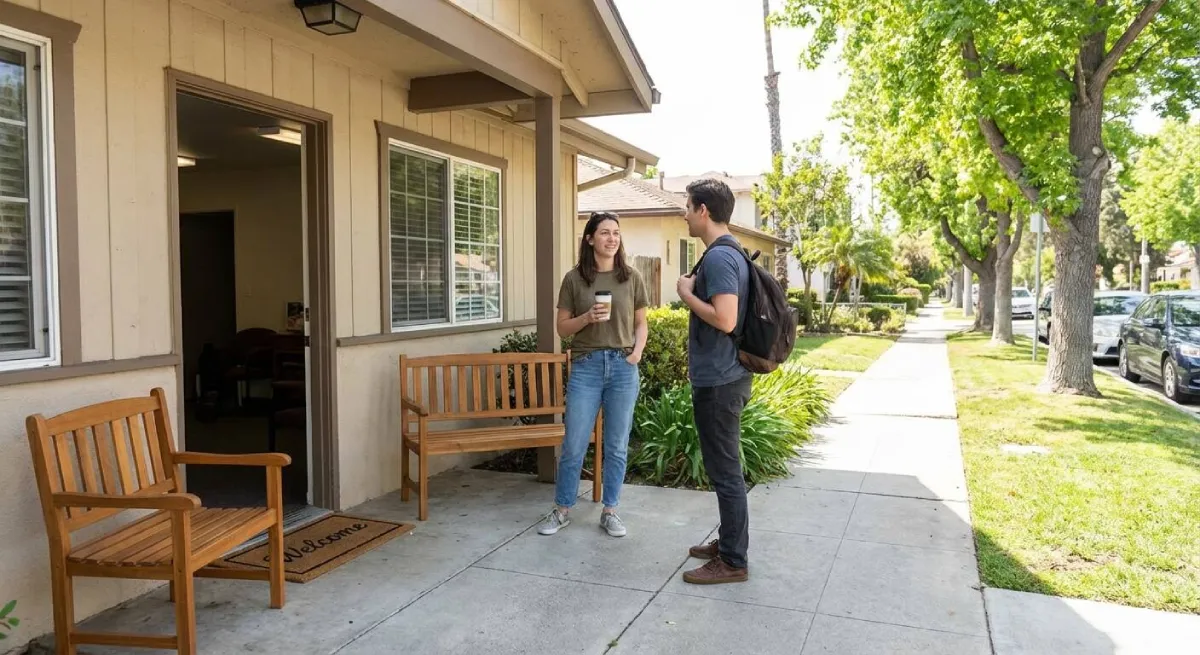
So here's what matters. If you're dealing with stress, anxiety, depression, or something heavier, there are real resources within reach. Just don't assume you have to pay full price or wait months for an appointment. Every program has its own entry point. Every provider has different terms. And every decision should be based on what you actually need — not just what shows up first on Google.
Clinics That Work on Your Budget
Community mental health clinics don't advertise like private practices do. But they're often the most accessible option for people who can't afford traditional therapy rates. These centers operate on sliding fee scales, which means your cost is tied to what you earn. No insurance? That's fine. They'll still see you.
The San Fernando Valley Community Mental Health Center handles everything from individual counseling to psychiatric evaluations. Valley Community Healthcare does the same, but they also fold in primary care, so you're not bouncing between offices. Both accept Medi-Cal. Both work with uninsured patients. And both have staff who understand that affordability isn't a luxury — it's a requirement.
Nonprofits That Show Up When It Counts
Nonprofit organizations fill gaps that clinics and hospitals can't always cover. NAMI San Fernando Valley runs free support groups for people living with mental health conditions and their families. No intake forms. No billing codes. Just people who get it, talking through what works and what doesn't.
Jewish Family Service LA operates out of Sherman Oaks and offers therapy on a sliding scale regardless of background. They handle individuals, couples, families, and seniors. If you're caring for someone else and burning out in the process, they have programs for that too. The goal isn't to upsell you on services. It's to meet you where you are and build from there.
Therapy Without the Sticker Shock
Private therapists aren't all charging $200 per session. Plenty offer reduced rates for clients who need them. The trick is knowing how to find them. OpenCounseling and TherapyDen let you filter by cost and location, so you're not wasting time on providers who are out of range.
CSUN's counseling center is another solid option. Graduate students provide therapy under licensed supervision, and the rates are a fraction of what you'd pay elsewhere. It's not a compromise on quality. It's a training model that benefits both sides — students get real-world experience, and clients get affordable care.
Online Options That Actually Deliver
Telehealth changed the game for people who can't make it to an office every week. BetterHelp and Talkspace offer subscription-based therapy that's cheaper than most in-person sessions. You're matched with a licensed therapist, and you communicate through text, phone, or video depending on what works for you.
Some Sherman Oaks therapists also offer remote sessions, which cuts down on travel time and scheduling headaches. And if you're in crisis, the Crisis Text Line and the 988 Suicide and Crisis Lifeline are free, confidential, and available around the clock. No appointment needed. No wait time. Just immediate support when things feel out of control.
Programs That Build Community
Mental health support isn't always one-on-one therapy. Sometimes it's a workshop, a group class, or a weekly meetup that keeps you grounded. The Sherman Oaks East Valley Adult Center hosts wellness events and support groups regularly. Local libraries and rec centers do the same, often at no cost.
These programs won't replace therapy if you need it, but they're a strong supplement. Mindfulness sessions, stress management workshops, and peer-led groups all help build resilience. And they're open to anyone who shows up.
Insurance and Assistance Programs You Might Qualify For
If you have insurance, dig into your mental health benefits before you assume they're useless. Medi-Cal and Covered California both cover therapy and psychiatric services with low or no copays. Even employer-sponsored plans often include mental health coverage that people don't realize they have.
If you're uninsured, the Los Angeles County Department of Mental Health provides services regardless of ability to pay. They'll work with you to figure out what's covered and what isn't. Financial assistance programs exist — you just have to ask for them.

What to Bring When You Reach Out
When you contact a clinic, nonprofit, or therapist, be ready to answer a few basic questions. They'll want to know your income level, insurance status, and what kind of support you're looking for. Having that information ready speeds up the process and helps them match you with the right program.
Here's what makes the intake smoother:
- Proof of income if you're applying for sliding scale fees
- Insurance card and policy details if you're covered
- A brief description of what you're dealing with and what you're hoping to address
- Availability for appointments, including whether telehealth works for you
Common Mistakes That Slow People Down
Waiting until you're in full crisis mode to look for help is one of the fastest ways to limit your options. Most programs have waitlists. Most therapists book out weeks in advance. If you're already struggling, that delay makes everything harder.
Here's where people trip up most often:
- Assuming they don't qualify for assistance because they have a job or make too much
- Skipping intake calls because they think it'll take too long or be too invasive
- Not following up after an initial contact, then starting the search over from scratch
- Mixing up what's covered by insurance versus what requires out-of-pocket payment
- Ignoring free resources like support groups because they don't seem "official" enough
When to Escalate Your Search
If you've tried a few options and nothing's clicking, don't give up. Sometimes it takes a second or third attempt to find the right fit. A therapist who works for one person might not work for you, and that's normal.
If you're dealing with severe symptoms — thoughts of self-harm, inability to function, or a mental health emergency — go straight to urgent care or call 988. Don't wait for an appointment. Don't try to tough it out. Get immediate help and sort out the long-term plan after you're stable.
Resources That Keep You Moving Forward
Mental health care isn't a one-time fix. It's an ongoing process that requires consistency, honesty, and the right support system. Sherman Oaks has the infrastructure to help you build that system, but you have to take the first step.
Here's what keeps people on track:
- Regular check-ins with a therapist or counselor, even when things feel manageable
- Participation in support groups or community programs that reinforce healthy habits
- Clear communication with providers about what's working and what isn't
- Use of crisis resources when needed, without shame or hesitation
- Documentation of your progress, including what triggers setbacks and what helps you recover
Why Affordability Shouldn't Be a Barrier
Cost is a real concern, but it's not an excuse to avoid getting help. Sherman Oaks has enough low-cost and free options that money shouldn't be the deciding factor. What matters more is whether you're willing to reach out, follow through, and stay engaged with the process.
Mental health support works when you treat it like any other essential service. You wouldn't skip medical care because it's inconvenient. Don't skip mental health care for the same reason. The resources are here. The providers are ready. And the only thing standing between you and better mental health is the decision to start.
Getting Started Without the Guesswork
Sherman Oaks residents don't have to navigate this alone. Whether you're looking for therapy, crisis intervention, or just someone to talk to, there's a path forward. Start with one of the clinics or nonprofits listed here. Make the call. Ask the questions. And don't let cost, confusion, or fear keep you from getting the support you deserve.
Mental health care isn't a privilege reserved for people with perfect insurance or unlimited budgets. It's a right, and it's available right here in your community. The hardest part is picking up the phone. Everything else follows from there.
Let’s Take the Next Step Together
We know how overwhelming it can feel to start your search for affordable mental health support, but you don’t have to do it alone. Let’s work together to find the care and resources that fit your needs and your budget. If you’re ready to talk or have questions about your options, give us a call at 424-261-9444 or contact us today so we can help you move forward with confidence.
‹ Back
Recent Posts
-

Is Now a Good Time for Anxiety Counseling in Sherman Oaks?
September 28, 2026
-
Can Child Therapy in Sherman Oaks Help With School Stress?
September 14, 2026
-

-

Can Counseling in Pasadena Help With Social Anxiety?
August 17, 2026
-