
How Group Sessions in Sherman Oaks Make It Easier to Connect With Others
Most people think isolation is just a personal problem. Something you fix on your own. But the reality is messier — and if you're waiting for connection to happen by accident, you're setting yourself up for disappointment. Group sessions don't just offer a place to talk. They create conditions where real relationships can actually form form. Especially when you're tired of surface-level interactions or scrolling through feeds that leave you feeling emptier than before.
So here's what matters. If you're showing up to build something real — friendships, support, understanding — that's worth doing. Just don't expect it to happen without intention. Every conversation should have room to breathe. Every participant deserves to be heard. And every connection should be grounded in what's shared — not just what looks good from the outside.
When You're Not the Only One Struggling
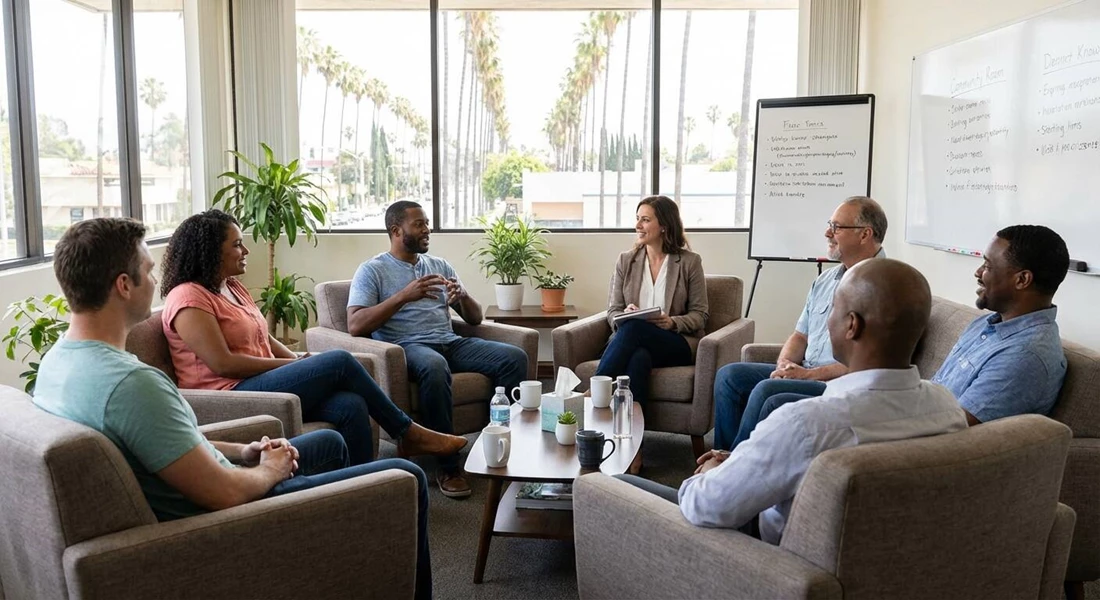
Group sessions strip away the illusion that you're alone in whatever you're facing. Whether it's anxiety, career transitions, or just the weight of modern life, sitting in a room with others who get it changes the equation. You're not performing. You're not explaining yourself to someone who's never been there. You're just present — and so is everyone else.
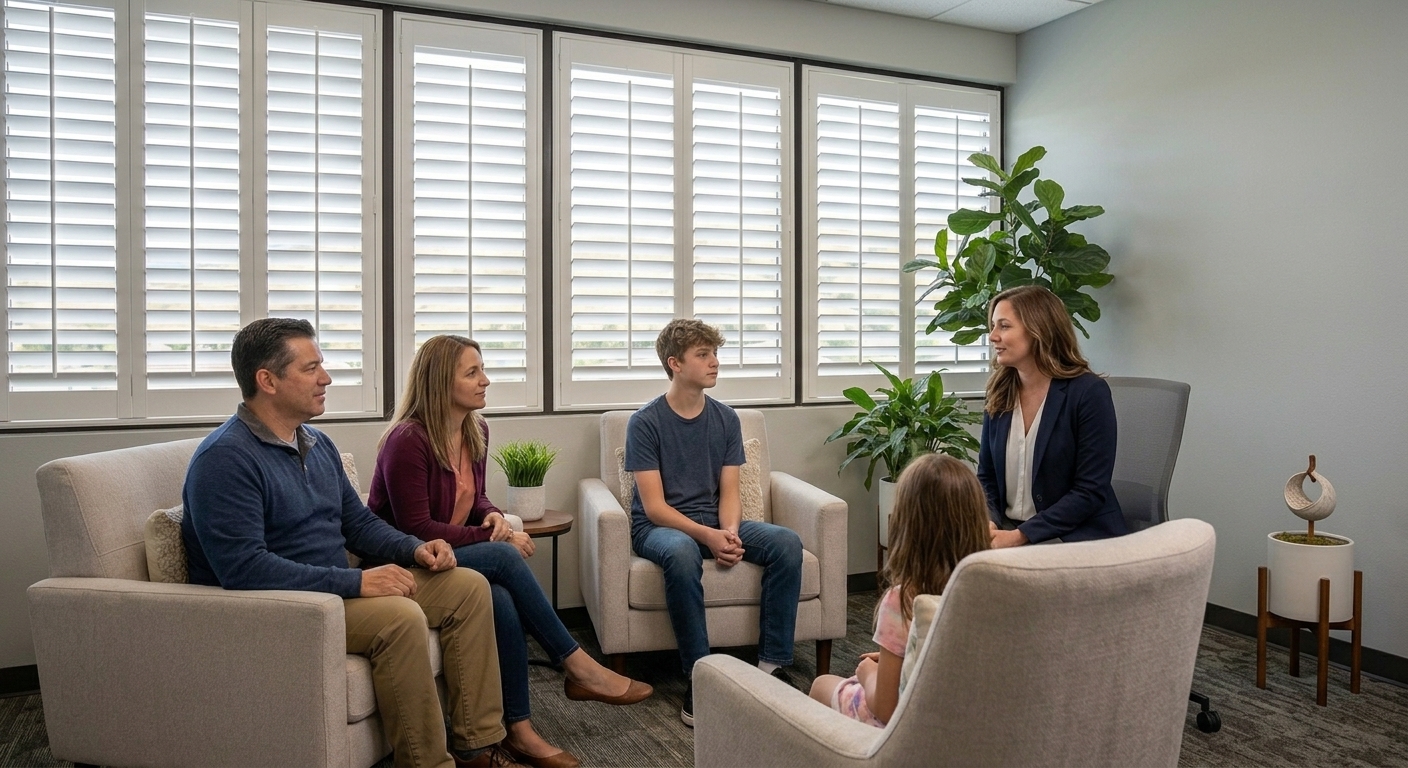
Sherman Oaks groups are often led by facilitators who know how to hold space without forcing it. They guide without micromanaging. They let silence sit when it needs to. And when someone shares something raw, the room doesn't flinch. That kind of environment doesn't happen by chance. It's built through consistency, respect, and a shared understanding that vulnerability isn't weakness.
The Awkwarwardness Fades Faster Than You Think
Walking into a room full of strangers is uncomfortable. No one's pretending otherwise. But group sessions are designed to lower that barrier quickly. There's structure. There's purpose. And there's usually an activity or prompt that gets people talking before the self-consciousness has time to settle in.
In Sherman Oaks, facilitators use exercises that feel natural — not forced. You're not being asked to share your life story in the first five minutes. You're easing in. And as the weeks go on, the people who were strangers start to feel familiar. You recognize their humor. You notice when they're having a rough day. And suddenly, showing up doesn't feel like work anymore.
Different Voices Sharpen Your Perspective
One of the underrated benefits of group sessions is the range of people you meet. Sherman Oaks pulls from a wide demographic — different ages, backgrounds, careers, life stages. That diversity isn't just nice to have. It's essential. Because the more perspectives you're exposed to, the more you realize how narrow your own lens has been.
Listening to someone navigate a challenge you've never faced builds empathy in ways that reading about it never will. It also forces you to question assumptions you didn't know you were making. And over time, that openness doesn't just help you connect in the group. It changes how you show up everywhere else too.
Progress Happens When Someone's Watching
Accountability isn't about pressure. It's about having people who notice when you're slipping — and who care enough to say something. Group therapy sessions create that dynamic naturally. You set goals. You share them. And the next week, someone asks how it went. Not in a judgmental way. In a way that says, "I'm invested in your success."
That kind of support is rare outside of structured environments. And it works. When you know others are rooting for you, it's harder to let yourself off the hook. When you see someone else push through a tough week, it reminds you that progress isn't linear. And when you celebrate small wins together, those wins start to feel bigger than they would on your own.
What Keeps People Coming Back
Group sessions work because they offer something most social settings don't. Consistency. Depth. And a reason to show up that goes beyond obligation. Here's what makes the difference:
- Regular meetings create rhythm and familiarity, so trust builds over time
- Facilitated discussions keep conversations focused and productive, not scattered
- Shared goals give the group a sense of purpose beyond just socializing
- Safe space policies ensure everyone can speak without fear of judgment or gossip
- Diverse membership exposes you to perspectives you wouldn't encounter otherwise
The Mistakes That Kill Connection
Not every group session delivers. And when they don't, it's usually because of a few predictable missteps. Knowing what to avoid can save you time and frustration.
- Skipping the first few sessions and expecting to catch up — trust is built early
- Dominating conversations or staying silent the whole time — balance matters
- Treating the group like therapy when it's not designed for that
- Showing up inconsistently and wondering why connections feel shallow
- Ignoring group norms or pushing boundaries that others have set
When to Look for Professional Guidance
If you're dealing with trauma, severe mental health challenges, or anything that requires clinical intervention, a general group session isn't the right fit. You need a licensed therapist or a specialized support group designed for your specific situation. Sherman Oaks has plenty of those — and they're worth seeking out.
But if you're looking for connection, community, and a place to grow alongside others, group sessions are one of the most effective tools available. They're not a replacement for individual therapy. They're a complement. And when both are in place, the results speak for themselves.
What to Expect in Your First Few Weeks
The beginning is always the hardest part. You're learning names. You're figuring out the rhythm. You're not sure how much to share or when to speak up. That's normal. Most people feel out of place at first. But by week three or four, something shifts.
- You start recognizing patterns in how the group operates
- You feel more comfortable contributing without overthinking it
- You notice who you naturally connect with and who challenges you
- You begin to look forward to the sessions instead of dreading them
- You realize you're not just attending — you're participating
The Long Game Pays Off
Connection doesn't happen in a single session. It's built over weeks and months of showing up, listening, and being willing to be seen. The people who get the most out of group sessions are the ones who commit to the process — not just the outcome.
In Sherman Oaks, many groups extend beyond their scheduled meetings. People grab coffee afterward. They text during the week. They show up for each other outside the room. That's when you know the group has done its job. Because the connections you've made aren't dependent on the structure anymore. They're real.
Why Structure Beats Spontaneity
- Scheduled meetings eliminate the "we should hang out sometime" trap
- Facilitated discussions keep things moving when energy dips
- Group agreements set clear expectations so everyone feels safe
- Consistent attendance builds familiarity faster than sporadic meetups
- Shared focus gives conversations depth instead of staying surface-level

Finding the Right Fit
Not every group will work for you. And that's fine. Some are too large. Some are too rigid. Some just don't match your energy or goals. The key is to try a few before deciding group sessions aren't for you. Sherman Oaks has options — support groups, skill-building workshops, creative circles, wellness-focused gatherings. One of them will click.
When you find the right group, you'll know. It won't feel like an obligation. It'll feel like a reset. A place where you can exhale. And a reminder that connection isn't as hard as it seems when the conditions are right.
Connection With a Clear Path Forward
Showing up is the easy part. Staying engaged — and letting yourself be changed by the experience — that's where the work is. Group sessions in Sherman Oaks offer more than a social outlet. They offer a structured, intentional way to build relationships that matter. There's no shortcut to real connection. But there's also no reason to make it harder than it needs to be. The groups are there. The facilitators are ready. And the people sitting in those rooms are looking for the same thing you are. If you're ready to explore therapeutic services that support meaningful connection, reach out today to learn more about what's available.
Let’s Start Building Real Connections Together
We know how hard it can be to take the first step toward genuine connection, but you don’t have to do it alone. Our team is here to help you find the right group and support you every step of the way. If you’re ready to experience the difference that intentional, guided group sessions can make, give us a call at 424-261-9444 or contact us to get started.
‹ Back
Recent Posts
-
Is Now a Good Time for Anxiety Counseling in Sherman Oaks?
September 28, 2026
-
Can Child Therapy in Sherman Oaks Help With School Stress?
September 14, 2026
-
-
Can Counseling in Pasadena Help With Social Anxiety?
August 17, 2026
-