
How Sherman Oaks Couples Get Help Working Through Marriage Challenges
Most couples think marriage problems are just about communication. Talk more, fight less. But the reality runs deeper than that — and if you're not seeing it, you're setting yourself up for more of the same. Conflict may not show up as a crisis every day, but it does leave marks on your relationship. Especially if you're avoiding the hard conversations or pretending everything's fine.

So here's what matters. If you're building a life together that's worth protecting, that's good. Just don't treat your partnership like it runs on autopilot. Every issue should be addressed before it festers. Every pattern needs attention. And every decision about getting help should be grounded in what's actually happening — not just what you're willing to admit on the surface.
When Tension Becomes the Norm
Nine times out of ten, couples don't wake up one day and decide things are broken. The cracks form slowly. You stop laughing together, you argue about the same things, you feel more like roommates than partners. The shift isn't always dramatic, but it's real — and ignoring it doesn't make it go away.
Sherman Oaks couples who recognize these patterns early tend to fare better. They see the distance growing and they do something about it. Waiting until resentment hardens into contempt? That's when repair gets harder. And when one partner checks out emotionally, the other usually follows. We've watched this play out in real time across relationships that could've been saved if someone had spoken up sooner.
What Professional Support Actually Looks Like
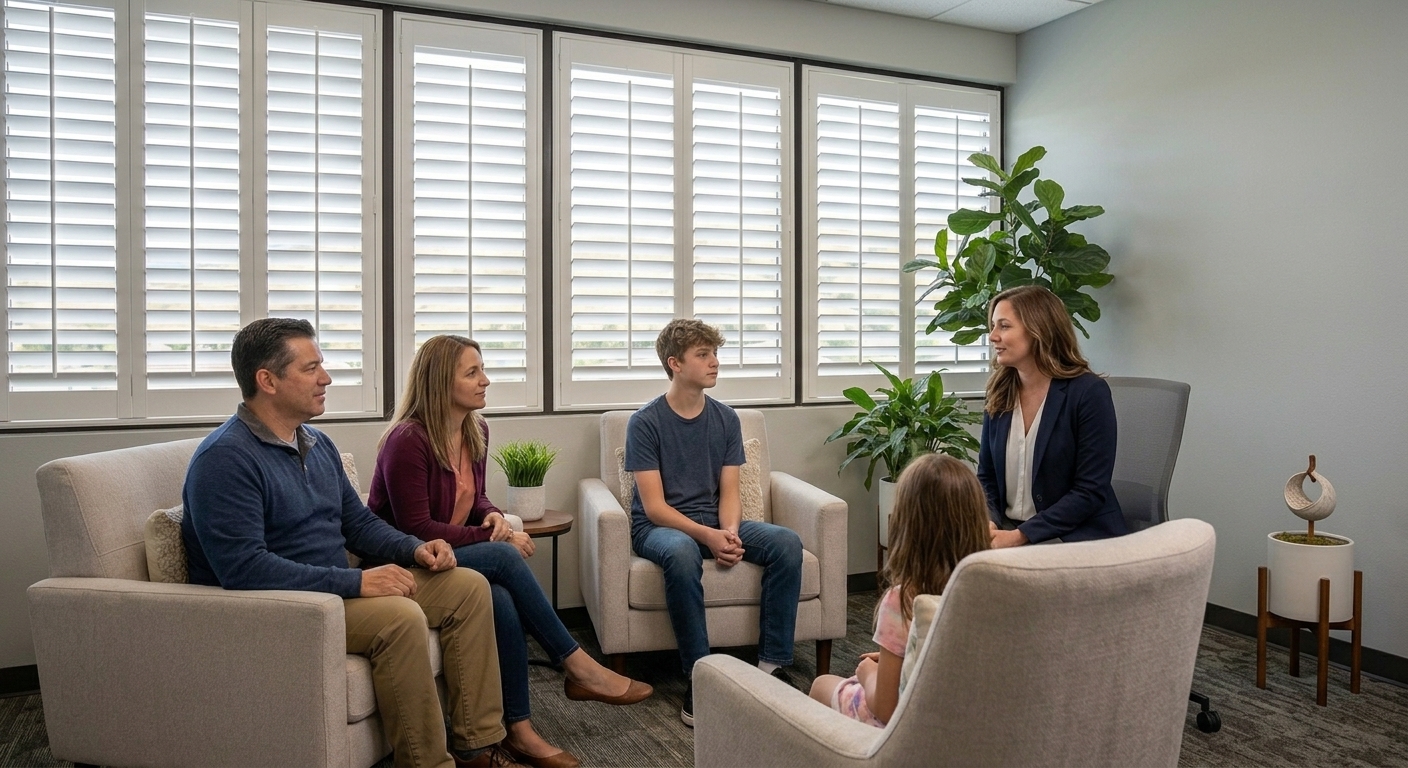
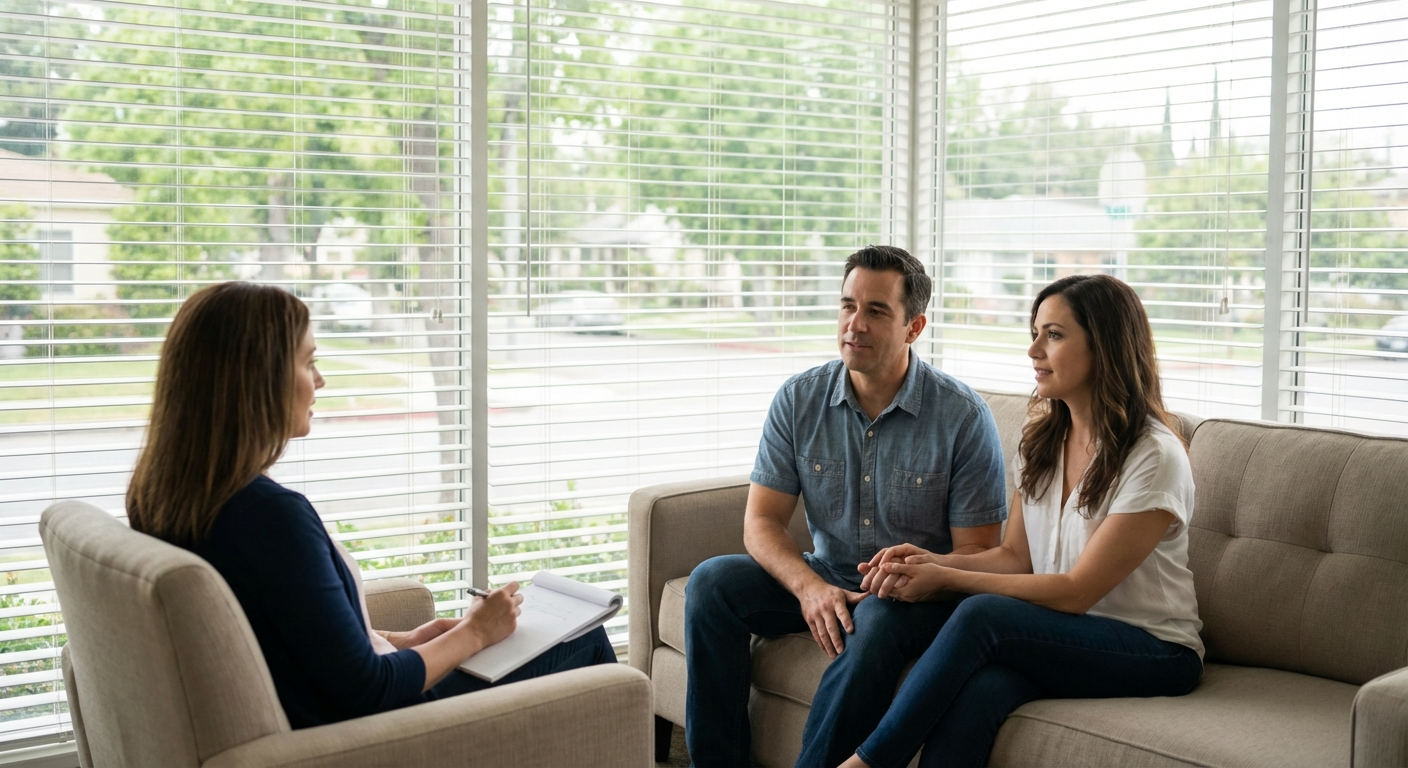
You can't fix a relationship by repeating the same arguments in a therapist's office. That's just venting with a witness. But skilled counseling? That changes the game. Licensed therapists in Sherman Oaks help couples identify what's really driving the conflict — not just the surface-level complaints.
Here's where that work shows up most:
- Emotionally Focused Therapy helps partners reconnect when they've drifted into defensive patterns
- The Gottman Method teaches couples how to fight fair and repair after conflict
- Cognitive Behavioral approaches address thought patterns that fuel recurring disputes
- Discernment counseling helps couples decide whether to commit to repair or move toward separation
- Premarital counseling sets up healthy habits before problems take root
Group Settings Offer More Than You'd Think
Want to feel less alone in your struggle? Show up to a workshop. Sherman Oaks has no shortage of relationship-focused events — some run by therapists, others by community centers or faith groups. These aren't just lecture halls where someone talks at you for an hour. They're interactive spaces where couples practice skills, share experiences, and realize their problems aren't unique.
The best groups and workshops focus on specific challenges — managing stress, rebuilding intimacy, navigating parenting disagreements. You walk away with tools you can use that week, not vague advice about "being present." And support groups? They remind you that other couples are fighting similar battles. That alone can shift your perspective from hopeless to manageable.
Books and Podcasts Won't Replace Therapy
But they can help. Especially if you're not ready to sit across from a stranger and unpack your marriage. Sherman Oaks couples who lean into self-help resources often start with books that break down communication styles or attachment patterns. Podcasts offer bite-sized insights during commutes. Online courses let you work at your own pace.
Here's what actually moves the needle:
- Setting weekly check-ins where both partners talk without interruption
- Reading the same book and discussing one chapter at a time
- Practicing active listening exercises from reputable sources
- Tracking patterns in your arguments to spot recurring triggers
- Scheduling regular date nights that aren't just dinner and a movie
Faith Communities Play a Bigger Role Than You'd Expect
Not every couple wants secular therapy. Some find their footing through pastoral counseling or faith-based marriage programs. Sherman Oaks has a strong network of religious organizations that offer guidance rooted in spiritual principles. For couples who share those values, this kind of support feels more aligned with how they see the world.
Clergy members often provide pre-marital counseling, conflict mediation, and ongoing check-ins. Retreats give couples time away from daily stress to focus on their relationship. And faith communities offer accountability — not in a judgmental way, but in a way that keeps couples engaged in the work of staying connected.
Financial Stress Bleeds Into Everything
Money fights aren't really about money. They're about control, security, and differing values. Sherman Oaks couples dealing with financial strain often find that tension spills into every other part of their relationship. One partner feels anxious, the other feels criticized. Both feel misunderstood.
Addressing this requires more than a budget spreadsheet. It requires honest conversations about what money represents to each person. Some couples benefit from financial counseling alongside couples therapy. Others find relief in workshops that teach practical money management while also addressing the emotional side of spending and saving.
When One Partner Resists Getting Help
This is where things get tricky. You can't drag someone into therapy and expect it to work. But you can go alone. Individual therapy helps you understand your own patterns, set boundaries, and decide what you're willing to tolerate. Sometimes that shift is enough to change the dynamic at home.
Here's what helps when your partner won't engage:
- Focus on what you can control — your reactions, your communication style, your boundaries
- Stop nagging about therapy and start modeling the changes you want to see
- Invite your partner to one session without pressure or ultimatums
- Be clear about what you need and what happens if nothing changes
- Recognize that some relationships can't be saved by one person's person's effort alone
Parenting Disagreements Expose Deeper Issues
How you raise your kids reflects how you see the world. When couples clash over discipline, screen time, or education choices, they're often clashing over values they never fully discussed. Sherman Oaks parents juggling work, school, and extracurriculars feel this pressure intensely.
Therapy helps couples get on the same page — or at least understand why they're on different pages. It's not about one partner winning. It's about creating a united front so your kids aren't caught in the middle. And when parenting stress bleeds into your marriage, addressing it early keeps resentment from building.
Intimacy Issues Aren't Just Physical
When physical intimacy drops off, it's usually a symptom of something else. Emotional distance, unresolved conflict, stress, or health issues all play a role. Sherman Oaks couples who address intimacy problems in therapy often discover that the real issue is feeling unseen or unappreciated.
Rebuilding intimacy takes time. It requires vulnerability, patience, and a willingness to prioritize connection even when life feels overwhelming. Therapists help couples navigate these conversations without shame or blame. And sometimes, addressing the emotional side naturally improves the physical side.
Red Flags That Demand Immediate Attention
Some problems can't wait. If your relationship involves abuse, addiction, or infidelity, you need professional help now. Sherman Oaks has resources specifically designed for crisis intervention — therapists trained in trauma, domestic violence support services, and addiction counselors who work with couples.
Here's when you need more than a workshop:
- Any form of physical, emotional, or verbal abuse
- Active addiction that's destroying trust and stability
- Infidelity that hasn't been fully addressed or keeps recurring
- Suicidal thoughts or severe mental health crises
- Patterns of manipulation or control that leave one partner feeling trapped
Why Some Couples Wait Too Long
Pride gets in the way. So does fear. Couples worry that seeking help means admitting failure. They convince themselves things will get better on their own. Or they assume therapy is for "other people" — the ones with real problems.
But waiting until your marriage is on life support makes recovery harder. Sherman Oaks couples who seek help early — when they're frustrated but still committed — have better outcomes. They learn skills before bad habits calcify. They address issues before resentment becomes the default emotion. And they give themselves a real shot at building something stronger.
What Commitment Actually Requires
Staying married isn't the same as staying connected. Plenty of couples coast for years in a relationship that's technically intact but emotionally hollow. Real commitment means showing up even when it's uncomfortable. It means being willing to change, to listen, to admit when you're wrong.
Sherman Oaks couples who thrive don't avoid conflict — they learn how to move through it. They don't expect perfection from each other. They expect effort. And when they hit a rough patch, they don't bail. They get help, they do the work, and they come out the other side with a relationship that's more resilient than it was before.
Resources Are Everywhere If You Look
Sherman Oaks isn't short on options. Therapists, workshops, support groups, faith communities, online courses — the help is there. The question is whether you're willing to reach for it. And whether you're willing to do it before things fall apart completely.
Here's what couples who succeed have in common:
- They don't wait for a crisis to take action
- They're honest about what's not working
- They commit to the process even when it's uncomfortable
- They hold each other accountable without keeping score
- They celebrate progress instead of fixating on setbacks
Building Something That Lasts
Marriage challenges don't mean your relationship is doomed. They mean you're human. Sherman Oaks couples who face their problems head-on — with honesty, humility, and a willingness to grow — build partnerships that can weather just about anything. The help is out there. The tools work. But only if you use them before the damage becomes irreversible. Don't wait for rock bottom to decide your relationship is worth fighting for. Our clinical staff can help you start now, while there's still something solid to build on. Contact us to learn more about our services.
Let’s Take the Next Step Together
Every couple faces tough moments, but we don’t have to navigate them alone. If you’re ready to invest in your relationship and want support that truly understands the challenges Sherman Oaks couples face, let’s connect and start the conversation. Call us at 424-261-9444 or contact us today so we can help you move forward, together.
‹ Back
Recent Posts
-

Is Now a Good Time for Anxiety Counseling in Sherman Oaks?
September 28, 2026
-
Can Child Therapy in Sherman Oaks Help With School Stress?
September 14, 2026
-

-

Can Counseling in Pasadena Help With Social Anxiety?
August 17, 2026
-